Melanoma: Signs, Stages & Treatment

Melanoma is a type of skin cancer that often first appears as a new spot or a change in an existing mole. A practical way to explain it to users is this: can show up in different ways, but common warning signs are often summarized with the ABCDE rule and the “ugly duckling” idea, meaning a spot that looks different from the others on your skin.

What Melanoma Is

Is a skin cancer that starts in pigment-making cells called melanocytes. It is less common than some other skin cancers, but it is more serious because it is more likely to grow deeper and spread if not found and treated early. NCI and NHS both emphasize the importance of recognizing suspicious skin changes and getting them checked.

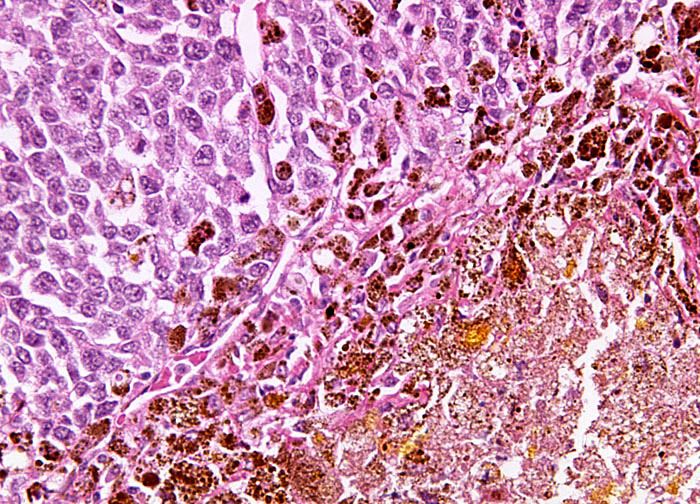
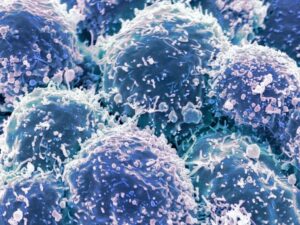
melonoma cell 23423
Glossary
Key Leukemia Terms (patient-friendly explanations)
Acute leukemia
A fast-growing leukemia that often requires treatment to start quickly.
Chronic leukemia
A slower-growing leukemia that may not always need immediate treatment.
Myeloid
Refers to one major blood cell line; AML and CML are myeloid leukemias.
Lymphoid
Refers to another major blood cell line; ALL and CLL are lymphoid leukemias.
Stem cell transplant
A treatment used in some leukemias after intensive therapy or in higher-risk cases.
Observation
Monitoring without immediate treatment, used in some chronic leukemias such as CLL.

ABCDE checklist

Use a simple on-page checklist with:
Asymmetry Border. irregularity. Color variation
Diameter. Evolving change

Ugly duckling sign

A useful extra line is: watch for a spot that looks different from the rest of your moles. This idea complements ABCDE and is commonly used in melanoma education. AAD’s guidance supports “a spot that looks different from the othe

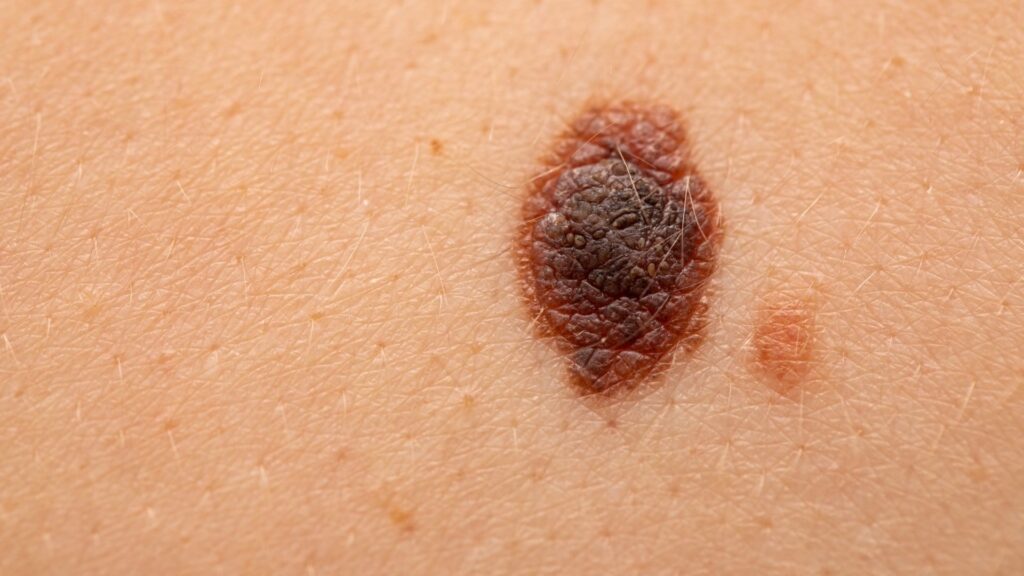
malignant melanoma 232

Diagnosis

If a clinician suspects melanoma, diagnosis usually starts with a skin exam and often a biopsy of the suspicious area. Mayo Clinic notes treatment often starts with surgery after diagnosis, and diagnosis relies on examining the suspicious lesion directly. NCI’s melanoma treatment materials also note that staging follows diagnosis.

Staging Guide
Melanoma Stages Explained Simply
Stage 0
Meaning
Limited to the outermost skin layer.
Explanation
Very early melanoma that has not grown deeper.
Stage I–II
Meaning
Deeper local melanoma without clear distant spread.
Explanation
The melanoma is in the skin and may be deeper, but has not spread far away.
Stage III
Meaning
Spread to nearby lymph nodes or skin/lymph channels.
Explanation
The melanoma has moved beyond the original site to nearby areas.
Stage IV
Meaning
Spread to distant organs or body sites.
Explanation
The melanoma has spread to other parts of the body far from where it started.
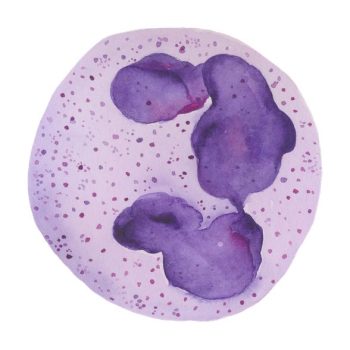
blood cells – painting series

Treatment Options

Treatment depends on the stage, where the melanoma is, whether it has spread, and the person’s general health. NHS states that surgery is the main treatment, while radiotherapy and medicines are also sometimes used. NCI’s melanoma treatment guidance lists immunotherapy and other systemic options for more advanced disease.

Cancer surgery

Surgery is the main treatment for many melanomas, especially when found earlier. This should be one of the main internal links from the page.

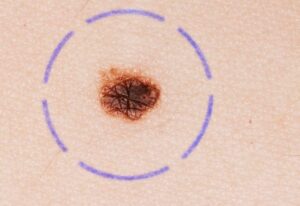
how is melanoma surgery performed

Immunotherapy

Immunotherapy is an important treatment option in more advanced melanoma and a strong internal route from this page. NCI’s treatment guidance lists checkpoint inhibitor immunotherapy among options for unresectable stage III, stage IV.

immunotherapy

Other treatments

Depending on the case, treatment may also involve radiation therapy, targeted medicines, chemotherapy, or palliative local treatments. The overview page should mention these briefly but keep its main educational focus on surgery and immunotherapy

What to Expect From a Dermatology Visit

For users searching “is this cancer,” a short expectation-setting section is useful. A dermatologist may ask when the spot appeared, whether it has changed, whether it bleeds or crusts, and whether there is a personal or family history of skin cancer. They may examine the rest of the skin as well, because melanoma education emphasizes checking for spots that look different from the others. This is an inference from AAD’s self-check guidance and standard diagnostic pathways.

Clinical Trials

Clinical trials can be relevant in melanoma, especially for more advanced disease, recurrent disease, or newer treatment combinations. Because immunotherapy is important care, this page should naturally route interested users toward your clinical trials and immunotherapy pages. NCI’s treatment guidance for advanced melanoma includes multiple medicine-based approaches, which supports a trial-aware pathway.

Questions to Ask Your Care Team

Does this spot have features that make a concern?
Is this something that should be biopsied?
If it is melanoma, what stage is it?
Is surgery likely to be the first treatment?
Could immunotherapy be part of treatment?
Do I need lymph node testing or more imaging?
What skin changes should make me come back sooner?
Should I check my skin regularly at home, and how?

FAQ

What are the warning signs of melanoma?

The most common warning signs are summarized by the ABCDE rule: asymmetry, irregular border, uneven color, larger diameter, and evolving change. A new or changing mole is a common early sign

Yes. The “D” in ABCDE often refers to spots larger than 6 mm, but can sometimes be smaller, so change over time still matters.

No. Melanoma does not always cause pain or itching, so a spot can still be concerning even if it does not feel different.

Surgery is the main treatment for in many cases. Other treatments, including immunotherapy, may be used depending on the stage and whether it has spread.

Yes. AAD notes melanoma can appear as a dark-brown or black vertical line beneath a fingernail or toenail.

Learn more about cancer:

Medical Disclaimer & Source References
© BEIJING BIOTECH.
Clinical Sources: NCCN, ASCO, ACS, ESMO, CSCO, CACA, ChiCTR.
Medical Note: Skin changes should be evaluated by a qualified clinician. This page is not a substitute for diagnosis.

Scroll to Top