
OECD verilerine göre online bahis kullanıcılarının %70’i futbol üzerine bahis yapıyor ve bettilt giriş futbol kategorisinde en yüksek oranları sunuyor.
bahsegel giriş bahsegel bettilt bahsegel bettilt bahsegel bettilt bahsegel giriş bahsegel giriş bettilt bettilt bettilt bettilt bettilt bahsegel bahsegel giriş bettilt-tr.net bahsegel bahsegel bahsegel https://bahsegel-kayit.ink/ https://bahsegel-giris.digital/ bahsegel bahsegel bahsegel https://bahsegelin.pro/ paribahis paribahis paribahis paribahis paribahis bahsegel-lein.vip casinomhubCancer Surgery: Preparation, Risks, Recovery & Questions to Ask
Cancer surgery is used for different reasons, including removing a tumor, helping diagnose cancer, learning its stage, relieving symptoms, or supporting other treatments. Recovery depends on the type of surgery, the body area involved, the anesthesia used, and your overall health.
What Cancer Surgery Is
Cancer surgery is a local treatment, which means it targets a specific area of the body. It may be used to remove all of a cancer when possible, take tissue for diagnosis, prevent complications, reduce symptoms, or support other treatment plans. NCI lists surgery as one of the main cancer treatment types.
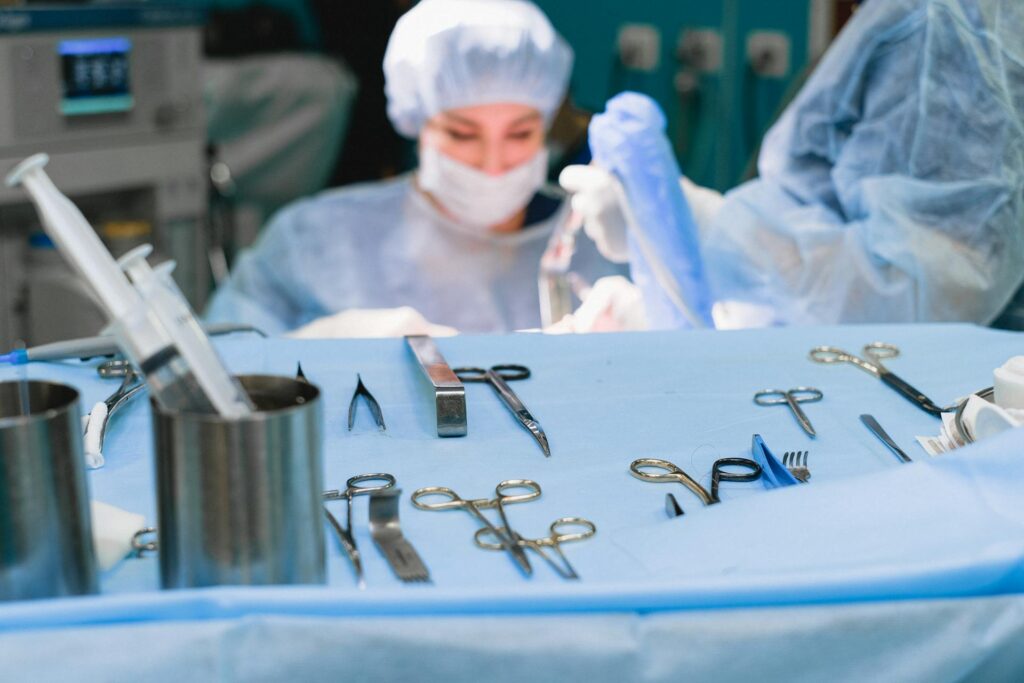
Common goals of surgery
A clear, patient-friendly way to explain the goals of surgery is:
remove the tumor
confirm the diagnosis or stage
relieve symptoms
support treatment before or after other therapies
improve function or comfort in some cases
These goals depend on the type and stage of cancer.
How to Prepare for Cancer Surgery
Preparation is one of the most important parts of surgery. Before an operation, patients are often encouraged to be as healthy and fit as possible. This may include managing conditions such as diabetes, improving fitness, and stopping smoking when possible to help lower complication risk and support recovery.
What to Do Before Surgery
A practical preparation plan can include reviewing your medicines and allergies with the team, asking which medicines to stop or continue, following fasting instructions exactly, asking about smoking, alcohol, and nutrition, arranging transport, and making sure you have enough support at home after discharge.
Prehabilitation
Prehabilitation means getting physically and mentally ready for surgery. It focuses on improving fitness and overall health before the operation so recovery afterward may be smoother and stronger.
| Before Surgery | Why It Matters |
|---|---|
| Review medicines and allergies | Helps the surgical team plan safely and reduce the risk of medication-related problems. |
| Ask which medicines to stop or continue | Some medicines may need to be paused or adjusted before surgery. |
| Follow fasting instructions exactly | Eating or drinking at the wrong time before surgery can affect anesthesia safety. |
| Ask about smoking, alcohol, and nutrition | These factors can affect healing, complications, and recovery after the operation. |
| Arrange transport and home support | Planning ahead can make discharge and the first days of recovery easier and safer. |
| Ask what recovery help you may need | Knowing what support, equipment, or help may be needed can reduce stress after discharge. |
Prehabilitation means improving your physical and mental readiness before surgery to support better recovery afterward.
What Happens on Surgery Day
On the day of surgery, patients are usually asked to change into a gown, confirm details of the operation, and have final checks before the procedure. NHS guidance notes that many patients will have a drip placed before the operation so fluids and medicines can be given.
What happens right after surgery
After surgery, patients are usually moved to a recovery area while the anesthesia wears off. The American Cancer Society notes that how long someone stays in recovery depends on the operation and the type of anesthesia used.
Recovery After Cancer Surgery
Recovery after cancer surgery varies widely. Some people go home the same day, while others need a longer stay in the hospital. Recovery time can depend on the type of surgery and the anesthesia used. In many cases, getting moving, eating, and drinking earlier after surgery may support recovery when it is medically appropriate.
What Recovery May Involve
Recovery often includes pain control, wound care, walking and gentle activity as advised, eating and drinking again when safe, help with fatigue and daily tasks, and follow-up appointments with pathology review. These are common parts of post-surgical recovery.
Emotional Recovery
Recovery is not only physical. After treatment, some people feel relieved, while others may feel anxious, low, or overwhelmed. Emotional adjustment after cancer treatment can take time and may be an important part of healing.
| Part of Recovery | What It May Involve |
|---|---|
| Pain control | Managing discomfort with the medicines and strategies recommended by the care team. |
| Wound care | Looking after the surgical area and following instructions to help healing and reduce infection risk. |
| Walking and gentle activity | Moving as advised may help reduce complications and support strength and recovery. |
| Eating and drinking again | Returning to food and fluids when safe can support healing and energy levels. |
| Help with fatigue and daily tasks | Feeling tired is common, and extra help at home may be needed during the early recovery period. |
| Follow-up appointments and pathology review | Ongoing review helps the team check healing, discuss results, and plan any next steps in care. |
It is common to need time to adjust emotionally after cancer surgery. Feeling relieved, anxious, or overwhelmed can all be part of recovery, and support may help during this period.

Risks of Cancer Surgery
All surgery has risks, even when performed carefully by experienced teams. NCI lists common surgery risks including pain, infection, bleeding, reactions to anesthesia, damage to nearby tissue, and slower recovery depending on the operation and the person’s health.
Common patient-facing risk wording
A simple, helpful explanation is:
Most people don’t have every risk, and your individual risks depend on the type of surgery, where it’s performed, and your overall health.
When to Call Your Team
A high-value patient safety section should tell users to contact their care team if they have worsening pain, fever, increasing redness or drainage from the wound, trouble breathing, heavy bleeding, vomiting that will not stop, or other symptoms they were told are urgent. ACS specifically includes a “when to call your doctor after cancer surgery” recovery section.
Questions to Ask Your Care Team
What is the goal of this surgery?
Is the aim to remove all of the cancer, confirm the diagnosis, or relieve symptoms?
What type of procedure will I undergo?
What are the main risks in my situation?
How long will I need to stay in the hospital?
How will my pain be managed?
What limitations will I have after surgery?
When can I return to eating, walking, working, driving, or exercising?
What symptoms should prompt me to call immediately?
What support will I need at home after surgery?
Caregiver Tips
Caregivers can help by keeping discharge instructions organized, tracking medicines, helping with meals and hydration, watching for warning signs, and supporting transport and follow-up visits. Because recovery can be tiring and emotional, caregiver support can make a big difference in the first days and weeks after surgery. This is a practical synthesis of ACS recovery guidance and general survivorship support resources.
FAQ
What is cancer surgery used for?
Cancer surgery may be used to remove a tumor, confirm a diagnosis, learn the stage of cancer, relieve symptoms, or support other treatments.
How should I prepare for cancer surgery?
Preparation may include reviewing medicines, following fasting instructions, improving fitness if possible, arranging help at home, and asking what recovery will involve.
What are the common risks of cancer surgery?
Common risks can include pain, infection, bleeding, reactions to anesthesia, and slower recovery depending on the operation and your overall health.
How long does recovery take after cancer surgery?
Recovery time varies. Some people go home the same day, while others need a hospital stay and longer recovery at home. It depends on the surgery and the anesthesia used.
What should I ask my surgeon?
Ask about the goal of surgery, the main risks, hospital stay, pain control, activity limits, home care needs, and which symptoms should make you call urgently.
Cancer treatments:
Medical Disclaimer & Source References
© BEIJING BIOTECH.
Clinical Sources: NCCN, ASCO, ACS, ESMO, CSCO, CACA, ChiCTR.
Treatment Note: Surgical planning, risks, and recovery vary by procedure, cancer type, and patient condition.