
CAR-T Therapy for Multiple Myeloma

FDA-approved options available in relapsed/refractory myeloma.

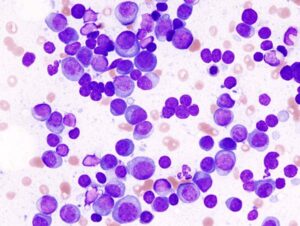
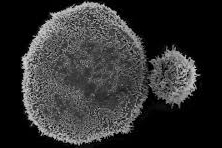
CAR-T therapy is now an important option for some people with relapsed or refractory multiple myeloma. In the United States, the approved myeloma CAR-T products are Carvykti (ciltacabtagene autoleucel) and Abecma (idecabtagene vicleucel). Both are personalized cell therapies made from the patient’s own T cells, and both target BCMA, a protein commonly found on myeloma cells.

multiple myeloma

CAR-T can produce deep responses in some patients, but it is not the right fit for everyone. Treatment planning depends on prior therapy, disease control, infection risk, blood count reserve, access to a specialized center, and whether another option such as a bispecific antibody or standard myeloma regimen may be more practical first.

Where CAR-T Fits in Relapsed/Refractory Myeloma

CAR-T is used in relapsed or refractory multiple myeloma, meaning the disease has returned after treatment or is no longer responding well enough. The exact place in therapy depends on the product. FDA lists Carvykti for adults with relapsed or refractory multiple myeloma after at least 1 prior line of therapy, including a proteasome inhibitor and an immunomodulatory agent, with disease that is refractory to lenalidomide. FDA lists Abecma for adults with relapsed or refractory multiple myeloma after 2 or more prior lines of therapy, including an immunomodulatory agent, a proteasome inhibitor, and an anti-CD38 monoclonal antibody.

multiple myeloma

This means CAR-T is no longer only a very late-line option in myeloma. Over time, approvals have moved earlier for some patients, but referral still needs to be individualized. Disease pace, symptoms, prior drug exposure, current fitness, and how urgently treatment must begin all matter.

Part 1
Main Targets and Approved Options
+
Target

In current approved myeloma CAR-T therapy, the main target is BCMA, which stands for B-cell maturation antigen. BCMA is commonly present on plasma cells and is a major target in relapsed or refractory myeloma treatment.

Approved Options

Both approved U.S. myeloma CAR-T products target BCMA. The approved options are Carvykti (ciltacabtagene autoleucel) and Abecma (idecabtagene vicleucel).

Important Note
Part 2
Who May Qualify
+
Eligibility

Whether CAR-T may fit depends on more than diagnosis alone. A center will usually look at prior therapy, whether the disease is relapsed or refractory, marrow reserve, blood counts, infection status, organ function, performance status, and whether the patient can complete treatment safely.

At a Glance

Important factors include prior therapy and drug-class exposure, current disease status and urgency, marrow reserve and blood count recovery potential, infection status, other active medical issues, ability to travel to a specialized center, and caregiver support during monitoring and recovery.

Timing
Some patients who are medically eligible on paper may still need another treatment first if the myeloma is progressing too quickly to wait for CAR-T manufacturing. In real practice, timing and disease control are major parts of the decision.
Part 3
Benefits and Limitations
+
Benefit

One reason CAR-T gets strong attention in myeloma is that it can produce high response rates and, for some patients, long remissions after a one-time infusion rather than continuous weekly or monthly therapy.

Limitation

CAR-T takes time to manufacture, is offered through specialized centers, and can be hard to access quickly. This can matter when disease is moving fast and treatment needs to start soon.

Important Risks
Part 4
Side Effects and Recovery
+
Risks

The side effects that matter most in myeloma CAR-T include cytokine release syndrome (CRS), ICANS or other neurologic toxicity, infection, and cytopenias such as low white cells, low red cells, or low platelets.

Recovery

Some people recover more smoothly, while others need longer monitoring, transfusion support, infection prevention, or extra time for blood counts and energy to improve. Close follow-up is needed after infusion.

Important Concern
Because BCMA-targeted therapy can also affect normal plasma cells, infection risk is an especially important concern in myeloma.
Risks at a glance: CRS, ICANS and other neurologic effects, infection risk, cytopenias, and prolonged recovery with close monitoring needs.
Part 5
CAR-T vs Other Post-Relapse Options
+
CAR-T

CAR-T is one important post-relapse option, but it is not the only one. The right next step depends on how fast the disease is moving, prior treatments, infection risk, logistics, and whether a patient is better suited for a one-time cellular therapy.

Alternatives

Alternatives may include bispecific antibodies, transplant in selected settings, standard myeloma regimens, and clinical trials. In some situations, another treatment may be a better fit than CAR-T.

Common Comparison

Questions for a Myeloma Second Opinion

Am I a candidate for CAR-T now, or would another treatment make more sense first?
Which approved CAR-T options apply to my treatment history?
Do I meet the prior-therapy requirements?
How strong are my blood counts and marrow reserve right now?
Is there any sign of infection or another issue that could delay treatment?Would a bispecific antibody be more practical for me than CAR-T?
How long might it take from referral to infusion?
What side effects are most important in my case?
Are there myeloma CAR-T trials I should know about?

Diagnosis

If lung cancer is suspected, diagnosis usually starts with a medical history, physical exam, and imaging. Tests can include chest X-ray, CT scan, PET scan, bronchoscopy, sputum testing in some cases, and biopsy. A biopsy is important because treatment should be based on confirmed pathology, not imaging alone.

Doctors may also evaluate lung function and overall health before treatment planning. For many patients with NSCLC, molecular or biomarker testing is part of the workup because it can help guide targeted therapy or immunotherapy decisions.

FAQ

When is CAR-T used for multiple myeloma?

CAR-T is used for relapsed or refractory multiple myeloma. FDA-approved use depends on the specific product and prior therapy. Carvykti is approved after at least 1 prior line in a defined lenalidomide-refractory setting, while Abecma is approved after 2 or more prior lines including an immunomodulatory agent, a proteasome inhibitor, and an anti-CD38 antibody.

BCMA stands for B-cell maturation antigen. It is a protein commonly found on plasma cells and is a major treatment target in multiple myeloma. Both currently approved U.S. CAR-T products for myeloma target BCMA.

CAR-T is made from the patient’s own T cells and usually takes weeks to manufacture before a one-time infusion. A bispecific antibody is an off-the-shelf immune therapy that helps bring immune cells and myeloma cells together and can usually start faster, but it is generally given repeatedly rather than as a one-time treatment.

Remission length varies a lot. Some patients have long remissions, while others relapse sooner. Duration depends on the disease, prior treatment history, the CAR-T product, and individual patient factors, so it should not be presented as a guaranteed outcome.

Remission length varies a lot. Some patients have long remissions, while others relapse sooner. Duration depends on the disease, prior treatment history, the CAR-T product, and individual patient factors, so it should not be presented as a guaranteed outcome.

The biggest side effects to know about are CRS, ICANS or other neurologic toxicity, infection, and cytopenias. Infection risk is especially important in myeloma because BCMA-targeted treatment can also affect normal antibody-producing plasma cells.

Yes. Clinical trials continue to study CAR-T in multiple myeloma, including different targets, combinations, and treatment timing. Trials remain important for patients who are not ideal fits for approved therapy or who want access to investigational approaches.

Cancer treatments:

Medical Disclaimer & Source References
© BEIJING BIOTECH.
Clinical Sources: NCCN, ASCO, ACS, ESMO, CSCO, CACA, ChiCTR.
Regulatory Status: CAR-T is FDA-approved in selected multiple myeloma settings. Other uses or constructs may be investigational.

Scroll to Top