
OECD verilerine göre online bahis kullanıcılarının %70’i futbol üzerine bahis yapıyor ve bettilt giriş futbol kategorisinde en yüksek oranları sunuyor.
bahsegel giriş bahsegel bettilt bahsegel bettilt bahsegel bettilt bahsegel giriş bahsegel giriş bettilt bettilt bettilt bettilt bettilt bahsegel bahsegel giriş bettilt-tr.net bahsegel bahsegel bahsegel https://bahsegel-kayit.ink/ https://bahsegel-giris.digital/ bahsegel bahsegel bahsegel https://bahsegelin.pro/ paribahis paribahis paribahis paribahis paribahis bahsegel-lein.vip casinomhubRadiation Therapy: Types, Side Effects, Preparation & What to Expect
Radiation therapy is a cancer treatment that uses high doses of radiation to kill cancer cells or slow their growth. It is usually a local treatment, which means it targets a specific area rather than the whole body. For many patients, it is used alone or combined with surgery, chemotherapy, or other cancer treatments.
Why it is used
Radiation therapy may be used to destroy cancer, shrink tumors, reduce the risk of cancer returning after surgery, relieve symptoms, or work together with other treatments. It is commonly part of treatment plans across many cancer types.
Types of Radiation therapy
Types of Radiation Therapy
External Beam Radiation Therapy
External beam radiation therapy comes from a machine outside the body that aims radiation at the cancer. It is the most common type of radiation therapy and treats only the targeted part of the body. For example, if radiation is aimed at the chest, the rest of the body is not being treated.
Brachytherapy
Brachytherapy is a type of internal radiation therapy. Radioactive material such as seeds, ribbons, or capsules is placed in or near the tumor so the treatment is focused very close to the cancer. It is often used for cancers such as prostate, cervix, breast, head and neck, and eye cancers.
Other forms you may mention briefly
Patient-facing guidance also notes that some radiation treatments use radioactive liquids that are swallowed or injected, and some may be delivered during surgery in selected cases. For this page, though, the main user-facing comparison should stay focused on external beam vs brachytherapy.
Planning and Treatment Sessions
Before treatment begins, radiation therapy usually involves a planning process. Patients often have a planning appointment so the team can map the treatment area, position the body correctly, and design the treatment to hit the cancer as precisely as possible while limiting dose to nearby healthy tissue.
What happens before treatment
Before starting radiation, patients may have imaging, skin marks or positioning aids, and instructions about how to lie still for treatment. The purpose of this stage is accuracy and consistency, because radiation is usually given over a series of sessions rather than all at once.
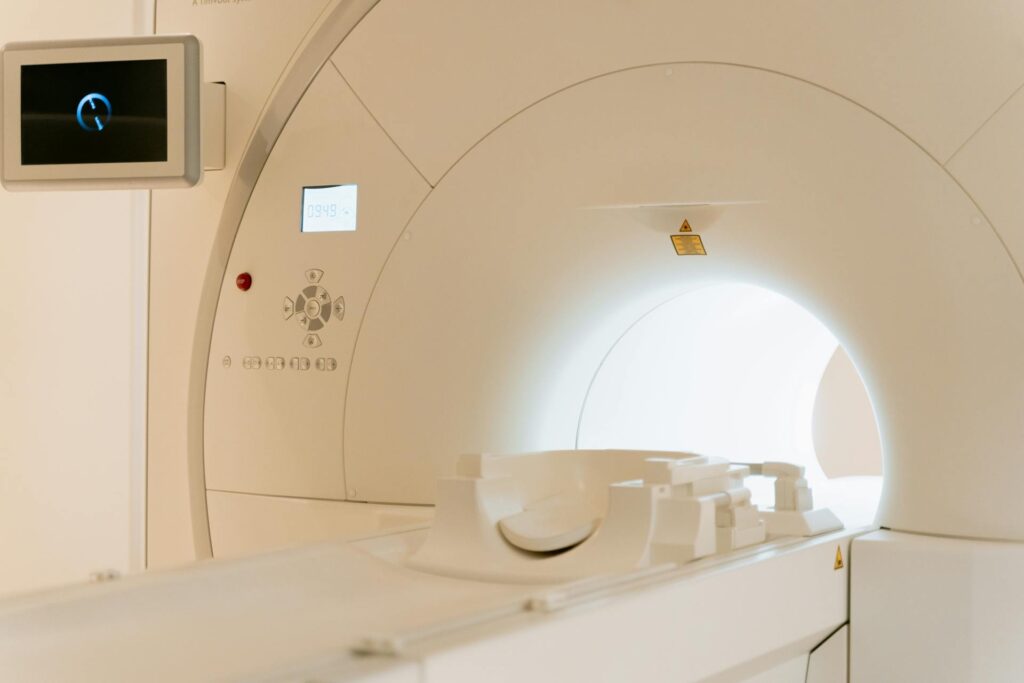
What sessions are like
External beam sessions are usually short, but the full course often happens over multiple visits. The machine delivers radiation from outside the body, and patients do not usually feel the radiation while it is being given. Treatment schedules vary depending on cancer type and plan.
Why treatment is split into sessions
The full radiation dose is usually divided across multiple treatments to reduce damage to nearby healthy tissue. Giving the same total dose all at once would generally cause more harm and more side effects.
Radiation Therapy Side Effects
Radiation side effects happen because treatment can affect nearby healthy cells as well as cancer cells. Side effects depend strongly on which body area is treated, the dose, the number of treatments, and whether radiation is combined with other therapies.
Common general side effects
Common Side Effects of Radiation Therapy
Side effects vary depending on the area being treated and may develop gradually during or after treatment. Not everyone experiences all effects.
Fatigue
Skin reactions
Hair loss in treated area
Other area-specific effects
Skin care tips
Patients should follow the skin-care advice from their radiation team, because local practices can differ depending on the treatment area and products allowed. NHS guidance advises telling the care team about soreness or skin changes, since they can recommend appropriate skin care and help prevent the reaction from getting worse.
Suggested on-page skin-care:
Keep the treated area clean and dry
Use only products approved by your care team
Report redness, peeling, blistering, or worsening pain
Avoid rubbing or scratching the treated skin
Fatigue support
Fatigue often improves with time after treatment ends, but it can be very real during a course of radiation. Helpful support usually includes pacing activities, planning rest, asking for help when needed, and discussing severe fatigue with the care team. Because fatigue varies a lot from person to person, patients should not assume they are “doing treatment wrong” if they feel more tired than expected.
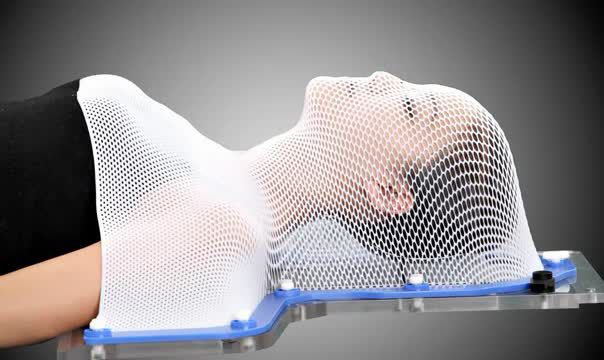
How to Prepare for Radiation Therapy
Preparation for radiation therapy is often practical as much as medical. Patients usually benefit from understanding their schedule, how long each visit will take, what clothing is easiest, whether they need help with transport, and which side effects are most likely for the area being treated.
Preparation tips
Ask what type of radiation you are having
Ask how many sessions are planned
Clarify common side effects for your treatment area
Ask what skin products are safe to use
Wear comfortable clothing for appointments
Arrange transport if daily visits will be tiring
Keep a list of symptoms and questions between sessions
Ask who to contact after hours if problems come up
These suggestions are a practical summary based on the planning and side-effect guidance in major patient resources.
Resources
Patients often need more than just a definition of radiation therapy. Useful support resources include treatment education, side-effect guidance, caregiver help, cancer-type pages, and practical tools for keeping track of symptoms between visits. National Cancer Institute, NHS, and American Cancer Society resources all emphasize that side effects are common, manageable, and often tied to the body area being treated.
Diagnosis
If lung cancer is suspected, diagnosis usually starts with a medical history, physical exam, and imaging. Tests can include chest X-ray, CT scan, PET scan, bronchoscopy, sputum testing in some cases, and biopsy. A biopsy is important because treatment should be based on confirmed pathology, not imaging alone.
Doctors may also evaluate lung function and overall health before treatment planning. For many patients with NSCLC, molecular or biomarker testing is part of the workup because it can help guide targeted therapy or immunotherapy decisions.
FAQ
What is radiation therapy?
Radiation therapy is a cancer treatment that uses high doses of radiation to kill cancer cells or slow their growth. It is usually a local treatment aimed at one specific part of the body.
What is the difference between external beam radiation therapy and brachytherapy?
External beam radiation therapy comes from a machine outside the body. Brachytherapy places a radiation source in or near the tumor inside the body.
What are the most common side effects of radiation therapy?
Common side effects include fatigue and skin changes in the treated area. Other side effects depend on which part of the body is being treated.
Does radiation therapy make everyone tired?
Fatigue is very common, but not everyone experiences it the same way. It may come on gradually and can be influenced by the treatment area, daily trips for treatment, and the body’s healing process.
How should I prepare for radiation therapy?
Patients usually prepare by attending a planning session, learning their treatment schedule, asking about likely side effects, and following skin-care or positioning instructions from their treatment team.
Cancer treatments:
Medical Disclaimer & Source References
© BEIJING BIOTECH.
Clinical Sources: NCCN, ASCO, ACS, ESMO, CSCO, CACA, ChiCTR.
Treatment Note: Radiation type, dose, and schedule vary by cancer type, goal of care, and physician planning.