
OECD verilerine göre online bahis kullanıcılarının %70’i futbol üzerine bahis yapıyor ve bettilt giriş futbol kategorisinde en yüksek oranları sunuyor.
bahsegel giriş bahsegel bettilt bahsegel bettilt bahsegel bettilt bahsegel giriş bahsegel giriş bettilt bettilt bettilt bettilt bettilt bahsegel bahsegel giriş bettilt-tr.net bahsegel bahsegel bahsegel https://bahsegel-kayit.ink/ https://bahsegel-giris.digital/ bahsegel bahsegel bahsegel https://bahsegelin.pro/ paribahis paribahis paribahis paribahis paribahis bahsegel-lein.vip casinomhubLung Cancer: Symptoms, Types, Diagnosis, Staging & Treatment
Lung cancer begins when abnormal cells in the lung grow out of control. The two main categories are non-small cell lung cancer (NSCLC) and small cell lung cancer (SCLC). NSCLC is more common, while SCLC usually grows and spreads faster. Early symptoms can be subtle, which is why a persistent cough, coughing up blood, unexplained weight loss, worsening breathlessness, or repeated chest infections should never be ignored.
Lung Cancer Symptoms
Lung cancer does not always cause symptoms early on, but common warning signs include a cough that does not go away, coughing up blood, chest pain, shortness of breath, hoarseness, fatigue, loss of appetite, weight loss, wheezing, and infections such as bronchitis or pneumonia that keep coming back. These symptoms can also happen with other lung problems, but they should be checked promptly, especially if they are new, worsening, or unusual for you.
When symptoms may be more urgent
Seek urgent medical evaluation if there is coughing up blood, rapidly worsening shortness of breath, chest pain, new hoarseness, unexplained weight loss, or repeated lung infections that do not clear as expected. NHS guidance advises seeing a doctor if you have symptoms such as a persistent cough or breathlessness.
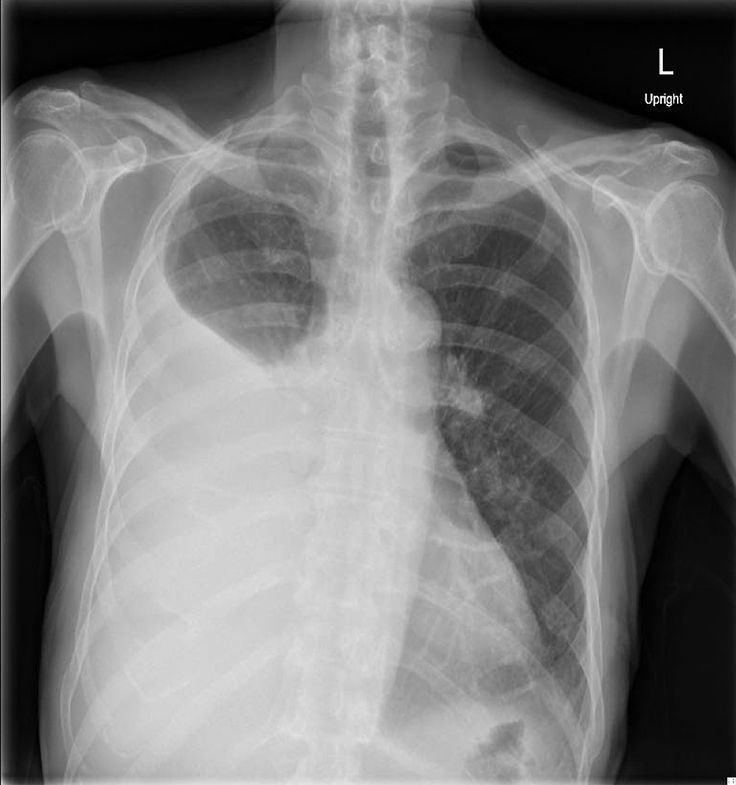
Short explainer: Symptoms of lung cancer vs COPD
COPD commonly causes shortness of breath, a chronic chesty cough with phlegm, wheezing, and frequent chest infections, and those symptoms usually worsen gradually over time. Lung cancer can overlap with these symptoms, but red flags include coughing up blood, unexplained weight loss, chest pain, a change in a long-standing cough, or infections that keep returning. People with COPD should not assume every breathing change is “just COPD,” especially if symptoms are new or different.
Types of Lung Cancer
There are two main types of lung cancer:
NSCLC vs SCLC
| Feature | Non-Small Cell Lung Cancer (NSCLC) | Small Cell Lung Cancer (SCLC) |
|---|---|---|
Prevalence |
Most common type of lung cancer | Less common |
Subtypes |
Adenocarcinoma, Squamous cell carcinoma, Large cell carcinoma | Typically classified as one main type |
Growth Rate |
Usually grows more slowly | Grows and spreads rapidly |
Spread (Metastasis) |
Often spreads later | Often spreads early |
Treatment Approach |
Surgery, radiation, targeted therapy, immunotherapy depending on stage and genetics | Chemotherapy and immunotherapy, often combined with radiation |
Surgery |
Common in early stages | Rarely used |
Overall Behavior |
More variable and often stage-dependent | More aggressive and fast-moving |
Most common type of lung cancer
Less common
Adenocarcinoma, Squamous cell carcinoma, Large cell carcinoma
Typically classified as one main type
Usually grows more slowly
Grows and spreads rapidly
Often spreads later
Often spreads early
Surgery, radiation, targeted therapy, immunotherapy depending on stage and genetics
Chemotherapy and immunotherapy, often combined with radiation
Common in early stages
Rarely used
More variable and often stage-dependent
More aggressive and fast-moving
Diagnosis
If lung cancer is suspected, diagnosis usually starts with a medical history, physical exam, and imaging. Tests can include chest X-ray, CT scan, PET scan, bronchoscopy, sputum testing in some cases, and biopsy. A biopsy is important because treatment should be based on confirmed pathology, not imaging alone.
Doctors may also evaluate lung function and overall health before treatment planning. For many patients with NSCLC, molecular or biomarker testing is part of the workup because it can help guide targeted therapy or immunotherapy decisions.
Lung Cancer Staging Overview
Staging describes how far the cancer has spread. NSCLC uses numbered stages (0–IV), while SCLC is often grouped into limited-stage or extensive-stage disease.
NSCLC and SCLC Staging Comparison
| Feature | NSCLC Staging | SCLC Staging |
|---|---|---|
| System Used | Stages 0 to IV | Limited-stage or Extensive-stage |
| Early Disease | Stage 0–I (localized tumors) | Limited-stage (confined to one side of chest) |
| Locally Advanced | Stage II–III (larger tumors or lymph node involvement) | May still be considered limited-stage in some cases |
| Advanced Disease | Stage IV (spread to distant organs) | Extensive-stage (spread beyond chest) |
Simple Staging Guide
Small, localized cancer.
Larger tumors and/or spread to nearby lymph nodes or structures.
Metastatic cancer (spread to distant parts of the body).
Lung Cancer Treatments
Non-Small Cell vs Small Cell Lung Cancer
| Feature | Non-Small Cell Lung Cancer (NSCLC) | Small Cell Lung Cancer (SCLC) |
|---|---|---|
Prevalence |
Most common type of lung cancer | Less common |
Subtypes |
Adenocarcinoma, Squamous cell carcinoma, Large cell carcinoma | Typically classified as one main type |
Growth Rate |
Usually grows more slowly | Grows and spreads rapidly |
Spread (Metastasis) |
Often spreads later | Often spreads early |
Treatment Approach |
Surgery, radiation, targeted therapy, immunotherapy depending on stage and genetics | Chemotherapy and immunotherapy, often combined with radiation |
Surgery |
Common in early stages | Rarely used |
Overall Behavior |
More variable and often stage-dependent | More aggressive and fast-moving |
Side Effects of Treatment
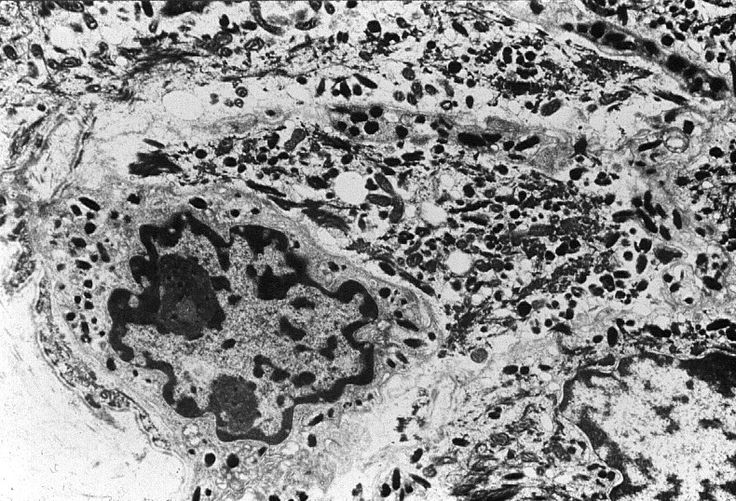
Side effects depend on the treatment used. Surgery can affect breathing and recovery time. Chemotherapy may cause fatigue, nausea, low blood counts, or hair thinning. Radiation can cause tiredness and irritation in the treated area. Immunotherapy can trigger immune-related side effects because it activates the immune system, and those need prompt medical attention. Patients should ask what side effects are expected, which are urgent, and who to call after hours.
Clinical Trials
Clinical trials can provide access to newer treatment strategies and may be appropriate at diagnosis, after standard treatment, or when standard options are limited. The National Cancer Institute notes that current lung cancer trials can be searched by location, treatment type, and drug. Trials are not only for “last resort” situations; in some cases they may be considered earlier in the treatment journey.

Questions to Ask Your Care Team
What type of lung cancer do I have: NSCLC or SCLC?What stage is it?
Has biomarker testing been done?
What are my main treatment options right now?
Is surgery possible in my case?
Would immunotherapy, chemotherapy, radiation, or targeted therapy be appropriate?
What side effects should I expect?
Are there clinical trials that fit my diagnosis?
What symptoms should make me call urgently?
FAQ
What are the first symptoms of lung cancer?
Early symptoms can include a persistent cough, shortness of breath, chest pain, fatigue, weight loss, hoarseness, coughing up blood, or repeated chest infections. Some people have no symptoms at first.
What is the difference between small cell and non-small cell lung cancer?
NSCLC is the more common type. SCLC is less common but usually grows and spreads faster. Treatment plans differ because the biology and behavior of the two cancers are different.
Is immunotherapy used for lung cancer?
Yes. Immunotherapy is used for many cases of advanced NSCLC and in some SCLC treatment settings, depending on stage and clinical details.
Can COPD symptoms look like lung cancer?
Yes. Both can cause cough, breathlessness, wheezing, and chest infections. Red flags that deserve urgent evaluation include coughing up blood, unexplained weight loss, or a clear change from your usual COPD pattern.
Learn more about cancer:
Medical Disclaimer & Source References
© BEIJING BIOTECH.
Clinical Sources: NCCN, ASCO, ACS, ESMO, CSCO, CACA, ChiCTR.
Medical Note: This page provides general information and does not replace physician evaluation, diagnosis, or treatment planning.