
OECD verilerine göre online bahis kullanıcılarının %70’i futbol üzerine bahis yapıyor ve bettilt giriş futbol kategorisinde en yüksek oranları sunuyor.
bahsegel giriş bahsegel bettilt bahsegel bettilt bahsegel bettilt bahsegel giriş bahsegel giriş bettilt bettilt bettilt bettilt bettilt bahsegel bahsegel giriş bettilt-tr.net bahsegel bahsegel bahsegel https://bahsegel-kayit.ink/ https://bahsegel-giris.digital/ bahsegel bahsegel bahsegel https://bahsegelin.pro/ paribahis paribahis paribahis paribahis paribahis bahsegel-lein.vip casinomhubColorectal (Colon) Cancer: Screening, Symptoms, Staging & Treatment
Colorectal cancer starts in the colon or rectum and often begins as a growth called a polyp. Screening can find precancerous polyps so they can be removed before they turn into cancer, and it can also find colorectal cancer early, when treatment may work better.
What Colorectal Cancer Is
Colorectal cancer includes cancers that begin in the colon or the rectum. Many patient-facing sources use “colon cancer” as a shorter search term, but “colorectal cancer” is the broader term because it includes both locations. NCI notes that colorectal cancer often starts as a polyp inside the colon or rectum.
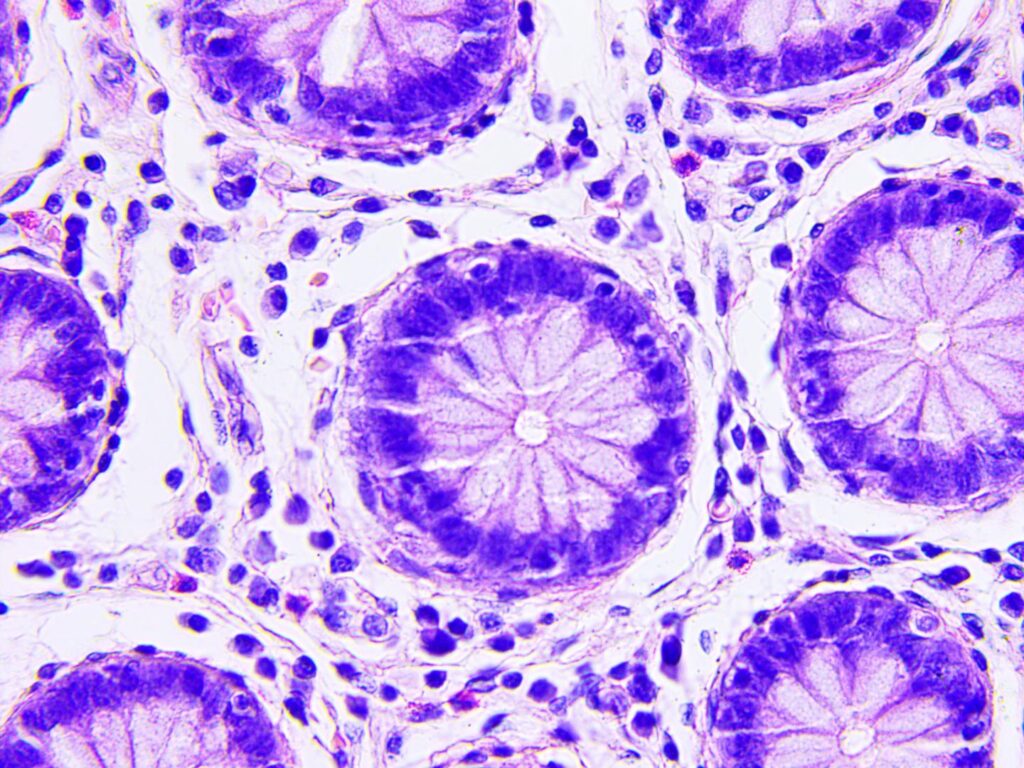
Why screening matters
One of the most important messages for this page is that screening is not only about finding cancer early. It can also help prevent colorectal cancer by finding and removing precancerous polyps before they become cancer. CDC and NCI both emphasize this preventive role of screening.
Screening for Colorectal Cancer
Why Screening Matters
Screening means looking for disease before symptoms appear. For colorectal cancer, screening tests can find precancerous polyps and early cancers, which is why screening is one of the highest-value actions on this page.
When Screening Usually Starts
For adults at average risk, major U.S. guidance recommends starting regular colorectal cancer screening at age 45. The USPSTF recommends screening adults ages 45 to 49 and 50 to 75, and recommends selective screening for adults 76 to 85 based on overall health, previous screening history, and preferences. The ACS also recommends regular screening starting at age 45 for average-risk adults.
Main Screening Approaches
Stool-based tests
Look for signs of cancer in stool.
Visual exams
Look inside the colon and rectum directly or by imaging.
Important Follow-Up Rule
If a non-colonoscopy screening test is positive, it should be followed by a timely colonoscopy. That is an important action point to highlight clearly on the page.
Who May Need Earlier or More Frequent Screening
People at increased risk may need screening earlier or more often, including people with a personal or family history of colorectal polyps or colorectal cancer, inflammatory bowel disease, or certain inherited syndromes such as Lynch syndrome or familial adenomatous polyposis (FAP).
Symptoms of Colorectal Cancer
Colorectal cancer may not cause symptoms early, which is one reason screening is so important. When symptoms do happen, common warning signs include:
a change in bowel habits – blood in or on the stool
diarrhea or constipation – a feeling that the bowel does not empty all the way
abdominal pain, aches, or cramps that do not go away
weakness or fatigue – unexplained weight loss

Urgent symptom framing
This page should clearly tell users not to ignore blood in the stool, ongoing bowel habit changes, abdominal pain that does not go away, or unexplained weight loss. These symptoms can have causes other than cancer, but CDC notes the only way to know the cause is to get checked.
Younger adults
NCI has also highlighted warning signs that may appear in younger adults with early-onset colorectal cancer, including abdominal pain, rectal bleeding, diarrhea, and iron-deficiency anemia. This is useful as a brief awareness note, without making the page feel alarmist.
Diagnosis
If colorectal cancer is suspected, doctors may use tests that examine the colon and rectum, along with imaging and pathology review to confirm the diagnosis and see whether the cancer has spread. NCI’s colon cancer treatment page notes that tests examining the colon and rectum are used to diagnose colon cancer, and imaging is used after diagnosis to determine spread
What patients may need to understand
Screening tests look for possible problems before symptoms
Diagnostic testing is used when symptoms or abnormal findings need explanation
A confirmed diagnosis usually requires pathology, not symptoms alone
Staging
After diagnosis, staging is used to describe how far the cancer has spread. A simple patient-facing staging summary works well here:
Earlier stages: cancer is more limited to the colon or rectum
Later stages: cancer has spread more deeply, to lymph nodes, or to distant organs
NCI’s patient materials explain that after colon cancer is diagnosed, imaging tests are done to find out whether cancer has spread within the colon or to other parts of the body.
Treatment Overview
Treatment Overview
Treatment depends on where the cancer started, the stage, the patient’s overall health, and other clinical details. Common treatment pathways can include surgery, chemotherapy, radiation therapy in some rectal cancer settings, and clinical trials.
Treatment is usually planned after diagnosis and staging, so patients can better understand which options may fit their condition and goals.
Surgery
Surgery is a major treatment for many colorectal cancers, especially when the disease is more localized. It is often one of the central treatment pathways users should expect to discuss.
Chemotherapy
Chemotherapy may be used before or after surgery in some settings, or as part of treatment for more advanced disease. The exact role depends on stage and treatment plan.
Radiation Therapy
Radiation therapy is more often discussed in relation to rectal cancer than colon cancer, so this distinction should stay clear on the page. It can also link naturally to a broader radiation therapy hub.
Clinical Trials
Clinical trials may be relevant at diagnosis, after standard treatment, or when standard options are limited. This makes them a strong next-step pathway for patients exploring care options.
Screening Explainer
Colonoscopy vs stool test
A simple comparison for users:
Stool tests are easier to do and may be done at home, but they need repeating more often.
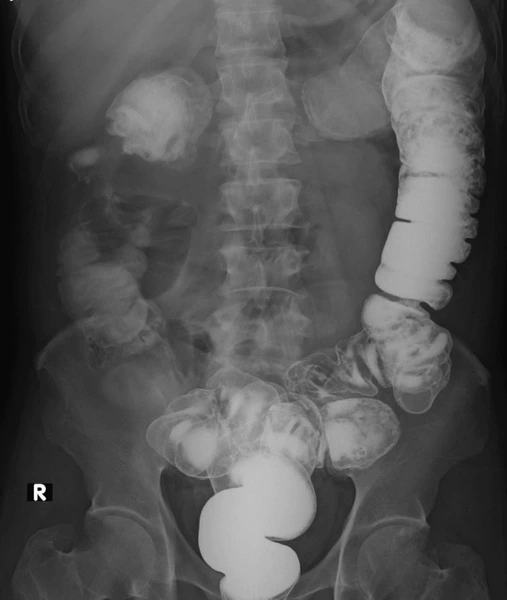
Visual exams look directly at the colon and rectum and may detect or allow removal of abnormal areas depending on the method used.
Questions to Ask Your Care Team
Should I start colorectal cancer screening now?
Am I average risk or higher risk?
Which screening test makes the most sense for me?
If a stool test is positive, what happens next?
What symptoms should make me get checked quickly?
If I have colorectal cancer, what stage is it?
Is surgery likely to be part of treatment?
Would chemotherapy or radiation therapy be used in my case?
Should I ask about clinical trials?
What records or reports should I bring to appointments?
FAQ
What is colorectal cancer?
Colorectal cancer is cancer that starts in the colon or rectum. It often begins as a polyp, which is why screening can help prevent cancer by finding and removing precancerous growths.
When should colon cancer screening start?
For average-risk adults, major U.S. guidance recommends starting regular screening at age 45. Screening ages after that depend on age group, health status, prior screening, and clinician guidance.
common colon cancer symptoms?
Common symptoms include blood in the stool, a change in bowel habits, abdominal pain, fatigue, and unexplained weight loss. Some people have no symptoms early on.
What are common colon cancer symptoms?
Common symptoms include blood in the stool, a change in bowel habits, abdominal pain, fatigue, and unexplained weight loss. Some people have no symptoms early on.
Can screening prevent colorectal cancer?
Yes. Screening can help prevent colorectal cancer by finding and removing precancerous polyps before they become cancer.
What happens if a stool screening test is positive?
A positive non-colonoscopy screening test should be followed by a timely colonoscopy.
Learn more about cancer:
Medical Disclaimer & Source References
© BEIJING BIOTECH.
Clinical Sources: NCCN, ASCO, ACS, ESMO, CSCO, CACA, ChiCTR.
Medical Note: Screening, diagnosis, staging, and treatment decisions should be discussed with a qualified physician.