
| Comparison Point | Approved CAR-T Care | CAR-T in Clinical Trials |
|---|---|---|
| When it may be used | May be discussed when the patient’s cancer matches an FDA-approved indication. | May be considered when the cancer is not covered by an approved indication, when standard options have already been used, or when a center is studying a newer CAR-T target or approach. |
| Main purpose | Provides access to CAR-T as an established approved treatment option in eligible settings. | Provides access to investigational CAR-T approaches or new uses of CAR-T that are still being studied. |
| How the decision is made | Depends on disease, prior treatment history, patient condition, and availability at the center. | Also depends on disease, prior treatment history, patient condition, trial eligibility, and available studies. |
| Role in care | Important for patients who meet approved treatment criteria. | Important for patients who may benefit from newer or investigational options. |
| Other possible options | CAR-T is not the only option; alternatives may include bispecific antibodies, transplant, chemotherapy, or supportive care. | Even in trials, other options like bispecific antibodies, transplant, chemotherapy, supportive care, or another trial may fit better. |
| Best patient-facing explanation | Approved care means CAR-T is used within an approved indication for eligible patients. | Clinical trials mean CAR-T is being studied in newer or investigational settings. |
OECD verilerine göre online bahis kullanıcılarının %70’i futbol üzerine bahis yapıyor ve bettilt giriş futbol kategorisinde en yüksek oranları sunuyor.
bahsegel giriş bahsegel bettilt bahsegel bettilt bahsegel bettilt bahsegel giriş bahsegel giriş bettilt bettilt bettilt bettilt bettilt bahsegel bahsegel giriş bettilt-tr.net bahsegel bahsegel bahsegel https://bahsegel-kayit.ink/ https://bahsegel-giris.digital/ bahsegel bahsegel bahsegel https://bahsegelin.pro/ paribahis paribahis paribahis paribahis paribahis bahsegel-lein.vip casinomhubCAR-T Cell Therapy
FDA-approved in selected blood cancers; many constructs investigational.
CAR-T Cell Therapy
CAR-T cell therapy uses a patient’s own T cells. Doctors modify them in a lab so they can target cancer, then infuse them back into the body. Doctors use it for some blood cancers, while newer versions remain in clinical trials.

CAR-T can be an important option for some people whose cancer has come back or has not responded well to earlier treatment. It is complex treatment that usually requires referral to a specialized center, close monitoring, and short-term caregiver and travel planning.
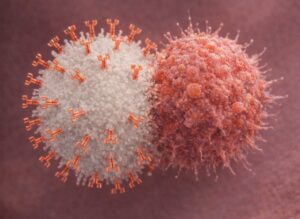
What CAR-T Is
CAR-T stands for chimeric antigen receptor T-cell therapy. T cells are immune cells that help the body fight infection and disease. Doctors collect these cells and genetically modify them to recognize cancer targets more effectively. After reinfusion, the cells can multiply in the body and attack cancer cells.
CAR-T is not the same as standard chemotherapy. It is a cell-based therapy made from a patient’s own immune cells. It is given at specialized cancer centers that manage side effects and follow-up care.
Where CAR-T Is Used Today
Doctors use FDA-approved CAR-T therapies only in selected blood cancers, not all cancers. Approved uses include certain leukemias, lymphomas, chronic lymphocytic leukemia, and multiple myeloma. Eligibility depends on the specific CAR-T product, prior treatments, age or disease setting, and the approved label.
Many CAR-T approaches are still investigational. This includes newer targets, earlier-line treatment strategies, and most solid-tumor CAR-T programs. These are generally available only through clinical trials rather than standard approved care.
CAR-T Cell Therapy Process
Doctors collect T cells through leukapheresis, a blood-collection process that separates immune cells and returns the rest of the blood to the body. The cells are then sent to a manufacturing facility.
Specialists genetically modify the T cells so they can recognize cancer targets. They then grow and prepare the cells for treatment, which takes time.
Patients receive short-course lymphodepleting chemotherapy before infusion. This helps the CAR-T cells expand more effectively. Some patients may also receive bridging therapy while waiting.
Doctors infuse the CAR-T cells back into the patient. After infusion, patients require close monitoring because serious side effects can occur, especially early after treatment.

Who May Qualify
CAR-T eligibility depends on multiple factors. Treatment centers assess disease type, prior treatments, cancer activity, organ function, blood counts, infection status, and overall performance status. They also check whether the patient is stable enough for treatment and whether they meet approved-label or clinical-trial criteria.
Practical planning also matters. Many patients need a caregiver, temporary stay near the treatment center, and access to emergency care, along with repeated monitoring visits. These requirements can affect whether CAR-T is feasible even when it is medically appropriate. The FDA’s 2025 labeling updates reduced some post-treatment restrictions for approved autologous CAR-T products, but caregiver and travel planning are still important.
Eligibility
Doctors consider disease type and whether CAR-T is approved or trial-based for that cancer. They also review prior lines of therapy and how the cancer responded. Other factors include organ function and general fitness for treatment, plus infection status and other active medical issues. Caregiver support and ability to travel or stay near the treatment center also matter. Finally, doctors check whether another treatment might serve the patient better first.

Risks and Monitoring
The most serious early side effects of CAR-T include cytokine release syndrome (CRS) and ICANS, which stands for immune effector cell-associated neurotoxicity syndrome. CRS can cause fever, low blood pressure, breathing problems, and other systemic symptoms. ICANS can affect the brain and nervous system, causing confusion, trouble speaking, sleepiness, tremor, or other neurologic changes.
Other important risks include infections, prolonged low blood counts called cytopenias, fatigue, and a recovery period that may last weeks or months. Some patients also need transfusion support, infection prevention measures, or close follow-up for delayed complications. Even though FDA removed the REMS programs for currently approved autologous CAR-T products in 2025, the major risks remain important and careful monitoring is still part of routine care.
Risks
Cytokine release syndrome (CRS) – ICANS and other neurologic side effects
Infection risk – Cytopenias and prolonged low blood counts – Need for close monitoring after infusion
Recovery that may continue for weeks to months
CAR-T Comparison
Questions to Ask Your Care Team
What type of lung cancer do I have: NSCLC or SCLC?What stage is it?
Has biomarker testing been done?
What are my main treatment options right now?
Is surgery possible in my case?
Would immunotherapy, chemotherapy, radiation, or targeted therapy be appropriate?
What side effects should I expect?
Are there clinical trials that fit my diagnosis?
What symptoms should make me call urgently?
FAQ
What is CAR-T cell therapy?
CAR-T cell therapy is a personalized immunotherapy that uses a patient’s own T cells. The cells are collected, changed in a lab to better recognize cancer, and then returned to the body to help attack the cancer.
Which cancers is CAR-T approved for?
CAR-T is FDA-approved for selected blood cancers, including certain leukemias, lymphomas, chronic lymphocytic leukemia, and multiple myeloma, depending on the specific product and prior treatment history.
How long does the CAR-T process take?
The path from cell collectionto infusion often takes about 3 to 5 weeks, although total timing can vary by product, center, and the patient’s condition.
What are the most serious side effects?
The most serious side effects include cytokine release syndrome, ICANS, infection, and prolonged low blood counts. These risks are one reason close monitoring is needed after treatment.
How long do responses last?
Response length varies widely. Some patients have durable remissions, while others may relapse sooner. Response duration depends on the cancer type, the CAR-T product, disease biology, and individual patient factors.
When should I ask about a clinical trial?
It is reasonable to ask early if your cancer has relapsed, stopped responding to standard treatment, is not covered by an approved CAR-T indication, or if your care team wants to explore investigational options. Clinical trials may also matter when newer targets or newer uses of CAR-T are being studied.
Cancer treatments:
Medical Disclaimer & Source References
© BEIJING BIOTECH.
Clinical Sources: NCCN, ASCO, ACS, ESMO, CSCO, CACA, ChiCTR.
Regulatory Status: CAR-T is FDA-approved in selected blood cancers. Other CAR-T uses may be investigational unless stated otherwise.