
Steps Toward
Healing

1) Evaluation and eligibility review
Secure medical record review (including pathology, imaging, and treatment history), in addition to lab screening such as organ function and infection testing, forms the first step. Next comes risk assessment followed by a treatment plan discussion. At this stage, clinicians also compare available options, such as targeted therapy, checkpoint immunotherapy, transplant, CAR-T therapy, and supportive care.

2) Program confirmation and coordination
Trial vs hospital program pathway: In addition, the care pathway may differ depending on whether treatment is delivered through a clinical trial or a standard hospital program.
Cell source confirmation: Next, clinicians confirm the cell source, whether it is patient-derived or donor-derived.
Pre-treatment planning: Furthermore, some patients may require “bridging” therapy to control disease while the treatment program is being arranged.
3) Cell manufacturing / preparation (protocol-dependent)
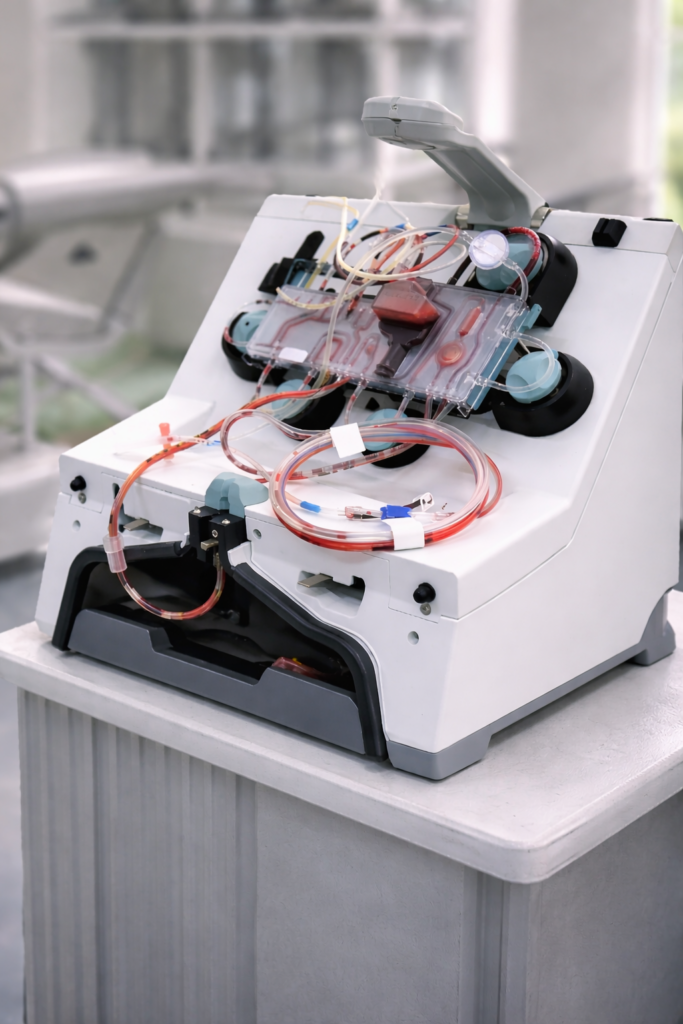
Collection (apheresis): In addition, if a patient-derived approach is used, cells are collected through apheresis.
Processing and quality control: Next, cells are processed under controlled quality systems, including release testing and chain-of-identity documentation, although requirements may vary by hospital program.
Logistics coordination: Furthermore, scheduling and logistics are coordinated to align with the infusion timeline. In some cases, Beijing Biotech may support documentation and coordination steps in line with the hospital’s protocol.

4) Infusion
Cell administration: In addition, cells are usually administered intravenously (IV).
Immediate monitoring: Afterwards, patients are closely monitored for early reactions such as fever, blood pressure changes, breathing symptoms, or allergic-type responses.

5) Monitoring and early follow-up
Post-infusion monitoring: In addition, patients undergo close observation, either inpatient or outpatient depending on risk level and hospital protocol.
Laboratory and clinical checks: Furthermore, regular labs and clinical assessments are performed to detect early immune toxicities and infection risk.

6) Longer-term follow-up
Response assessment: In addition, clinicians evaluate response using disease-specific tools such as imaging, bone marrow tests, and blood markers.
Ongoing follow-up: Furthermore, a structured follow-up plan is created, including coordination with the patient’s home oncology team after returning abroad.
Conditions we commonly support
FAQ
1.Is NK Cell Therapy available in China for international patients?
NK Cell Therapy may be available in China through hospital programs and/or registered clinical trials, depending on the diagnosis and the treating center’s capabilities. Availability varies by hospital, city, and protocol. Medical disclaimer: This is not medical advice; eligibility must be confirmed by a licensed physician.
2.Is CAR-NK therapy offered in Beijing, Shanghai, or Guangzhou?
Some hospitals and research programs in major hubs like Beijing, Shanghai, and Guangzhou may offer CAR-NK within specific protocols or trials. Program access depends on the cancer type (often Leukemia/Lymphoma) and trial criteria.
3.CAR-NK vs CAR-T Therapy: which one is safer?
Both require specialized monitoring. CAR-T has well-characterized risks such as cytokine release syndrome (CRS) and neurotoxicity (ICANS). CAR-NK is being studied with potentially different toxicity patterns in some reports, but side effects can still occur. The safest choice is the option a qualified center can deliver with strong monitoring and emergency pathways.
4.What cancers are most commonly considered for NK or CAR-NK therapy?
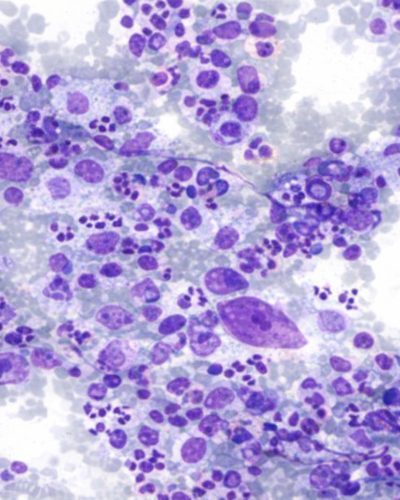
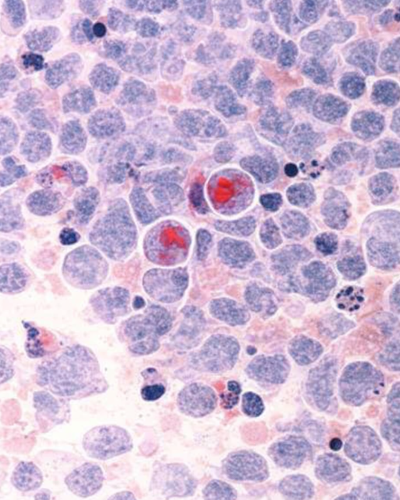
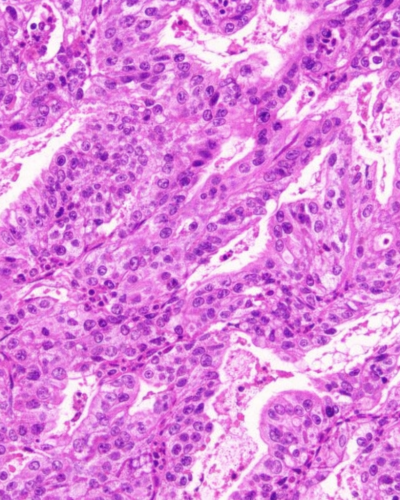
Most patient inquiries focus on hematologic cancers – especially Leukemia and Lymphoma – because many programs and trials target these diseases. Solid tumor use is often investigational and depends on trial availability.
5.What is the Cost / Price of CAR-NK therapy in China?
Costs vary widely and depend on trial vs hospital pathway, cell source (patient vs donor), engineering complexity, manufacturing/testing requirements, monitoring intensity, supportive care, and the hospital/city fee structure. A responsible estimate requires medical review and an itemized quote.
6.Can you share the CAR-NK success rate in China?
A single universal Success Rate is not appropriate because outcomes vary by diagnosis subtype, prior treatments, protocol design, and follow-up duration. Ask for peer-reviewed or trial-based outcomes that match your exact disease and clinical situation. No provider can ethically guarantee outcomes for an individual.
7.How long does the NK/CAR-NK process usually take (timeline)?
Timelines depend on evaluation speed, trial enrollment steps, cell sourcing, manufacturing, and scheduling. Some patient-derived processes can take longer, while some donor-based protocols may be faster (program-dependent). A hospital team can provide a realistic schedule after reviewing records.
8.What side effects should families watch for after infusion?
Hospitals monitor for infusion reactions, fever, blood pressure changes, breathing symptoms, CRS, neurologic symptoms, infection risk, and lab abnormalities. Patients should follow the hospital’s discharge instructions and report symptoms immediately.
9.Do I need to travel to China for the first evaluation?
Often, an initial screening can start remotely with medical records. Many programs still require an in-person assessment before treatment to confirm eligibility, labs, and safety planning.
10.How do I choose the best hospital for NK/CAR-NK therapy in China?
Use objective criteria: experience with your diagnosis, trial access, dedicated cell therapy team, ICU readiness, clear adverse event protocols, transparent documentation (release testing, chain-of-identity), and a defined follow-up plan – especially for international return-home care.
11.Can NK/CAR-NK be combined with Proton Therapy, Targeted Therapy, or Immunotherapy?
Sometimes therapies are sequenced or coordinated, but combinations are not automatic and depend on safety and evidence for your case. Decisions must be made by a multidisciplinary oncology team.
12.What medical records do you need for an eligibility review?
Typically: pathology/diagnosis reports, recent imaging (CT/PET/MRI), treatment history (including Targeted Therapy and Immunotherapy), recent labs, and a physician summary if available. Missing records can delay or prevent accurate eligibility screening.