
Ovarian Cancer: Symptoms, Diagnosis, Staging & Treatment
Ovarian cancer often causes symptoms that can seem vague at first, such as bloating, pelvic or abdominal pain, feeling full quickly, or urinary urgency. Because these symptoms can overlap with many non-cancer conditions, they are sometimes overlooked, but persistent or frequent symptoms should be checked. Major patient resources emphasize that ovarian cancer is often more treatable when found earlier.
What Ovarian Cancer Is
“Ovarian cancer” is often used as the main patient-facing term, but patient guidance also groups together ovarian, fallopian tube, and primary peritoneal cancers because these cancers can be closely related in how they are diagnosed and treated. NCI’s treatment guidance reflects this grouped approach.
A practical page note for users: this article can use “ovarian cancer” for clarity, while acknowledging that care teams may also discuss fallopian tube or primary peritoneal cancer during diagnosis and treatment planning.
Symptoms Guide
Ovarian Cancer Symptoms
Symptoms of ovarian cancer are often persistent, frequent, and not normal for your body.
Common symptoms can include bloating, pelvic or abdominal pain, feeling full quickly,
urinary changes, bowel changes, fatigue, and unexplained weight loss.
It is important to get possible ovarian cancer symptoms checked as soon as possible, because finding it earlier can make it more treatable.
Diagnosis
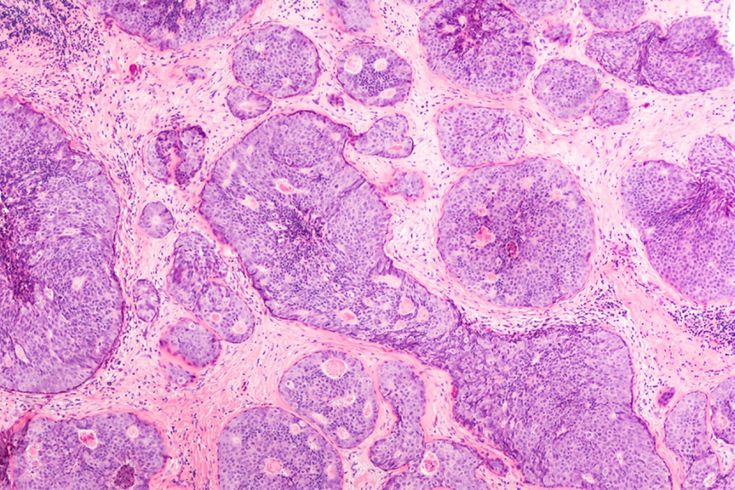
If ovarian cancer is suspected, diagnosis usually involves a combination of blood tests, imaging, and sometimes procedures to obtain tissue or cells for confirmation. NHS patient guidance says tests may include blood tests, ultrasound, CT scan, biopsy, laparoscopy, or surgery to remove tissue.
NCI similarly explains that tests examining the ovaries and pelvic area are used to diagnose and stage ovarian epithelial, fallopian tube, and primary peritoneal cancers.
CA-125 test
The CA-125 blood test measures a substance in the blood that can be raised in some ovarian cancers. But CA-125 is not specific enough to diagnose ovarian cancer by itself. ACS notes that many benign conditions, such as endometriosis and pelvic inflammatory disease, can also raise CA-125, and not all ovarian cancers cause a high CA-125 level.
CA-125 can be helpful, but it is a clue, not a diagnosis on its own.
Staging
After diagnosis, staging is used to describe how far the cancer has spread. For a patient-facing page, the clearest wording is simple:
Earlier stages: cancer is more limited
Later stages: cancer has spread more widely in the pelvis, abdomen, lymph nodes, or distant sites
Doctors do not base treatment on symptoms alone. They use imaging, pathology, surgical findings, blood tests, and staging information together. This is an explanatory summary supported by NHS and NCI diagnostic guidance.
Treatment Guide
Treatment depends on the type of ovarian cancer, how far it has spread, and the patient’s overall health. The main treatments are surgery and chemotherapy, while other options may include targeted therapy, radiotherapy, hormone treatment, and clinical trials.
Cancer Surgery
Chemotherapy
Other Treatments
Clinical Trials
Questions to Ask Your Care Team
Do my symptoms need further testing?
What tests will help confirm whether this is ovarian cancer?
What does my CA-125 result mean in my case?
Do I need imaging, biopsy, laparoscopy, or surgery to confirm the diagnosis?
What stage is the cancer, and how was that determined?
Is surgery likely to be part of treatment?Will chemotherapy be recommended?
Are there clinical trials I should ask about now?
What symptoms should make me call urgently?
What support resources are available for me and my caregiver?
FAQ
What are the main symptoms of ovarian cancer?
Common symptoms include persistent bloating, pelvic or abdominal pain, feeling full quickly, urinary urgency or frequency, bowel changes, fatigue, and unexplained weight loss.
What is the CA-125 test?
CA-125 is a blood test that measures a substance that can be raised in some ovarian cancers. It can be useful during evaluation and follow-up, but it is not enough to diagnose ovarian cancer on its own.
Is CA-125 a screening test for everyone?
Not as a general screening tool. NCI notes that CA-125, even when combined with ultrasound, has not been shown to reduce deaths from ovarian cancer in screening studies.
How is ovarian cancer diagnosed?
Diagnosis may involve blood tests, scans, and procedures such as biopsy, laparoscopy, or surgery to collect tissue for testing.
What are the main treatments for ovarian cancer?
The main treatments are surgery and chemotherapy. Some patients may also receive targeted medicines, radiotherapy, or hormone treatment depending on the situation.
Learn more about cancer:
Medical Disclaimer & Source References
© BEIJING BIOTECH.
Clinical Sources: NCCN, ASCO, ACS, ESMO, CSCO, CACA, ChiCTR.
Medical Note: Symptoms and test results require physician review and should not be used for self-diagnosis.