
Chemotherapy: How It Works, Side Effects, and What to Expect
Chemotherapy is a cancer treatment that uses medicines to destroy cancer cells or stop them from growing. It can be used to cure some cancers, lower the chance cancer returns, slow cancer growth, or help relieve symptoms caused by tumors. Chemo affects fast-growing cells, which is why it can also affect some healthy cells and cause side effects.
How chemotherapy works
Chemotherapy works by killing cancer cells or stopping fast-growing cancer cells from dividing. Because some healthy cells also grow quickly, such as cells in the hair roots, mouth, gut, and bone marrow, those healthy cells can be affected too. That helps explain common side effects like hair loss, mouth sores, nausea, and low blood counts.
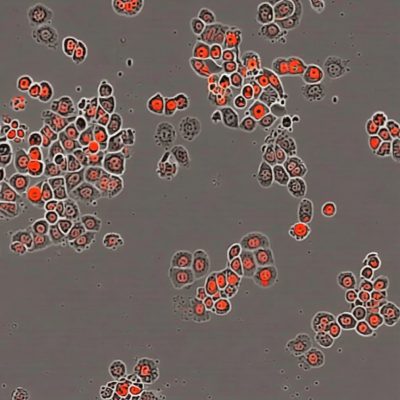
Why Chemotherapy Is Used
Chemotherapy may be used for different reasons. It can be given to try to cure cancer, reduce the risk that cancer comes back, slow the growth of cancer, shrink tumors before another treatment, kill remaining cancer cells after surgery, or ease symptoms in advanced cancer. The exact role depends on the cancer type, stage, and treatment plan.
Common treatment settings
Doctors may use chemotherapy:
Before another treatment to shrink a tumor
After surgery or radiation to reduce the risk of recurrence
Alongside radiation therapy for certain cancers
For metastatic cancer to control the disease and manage symptoms
How Chemotherapy Is Given
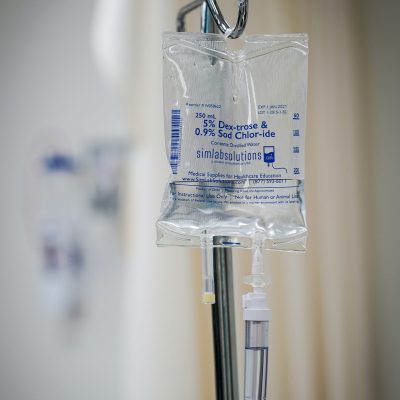
Chemotherapy can be given in several ways. Many treatments are given by intravenous infusion (IV), but some are given as injections, tablets or capsules, or less commonly as topical treatment for certain skin conditions. The route depends on the drug and the cancer being treated.
What happens before treatment
Before chemotherapy starts, the care team usually reviews your overall health, explains the plan, discusses side effects, and may do blood tests, weight checks, and scans. NHS guidance notes that blood tests and other checks are often done on the same day as treatment or a few days before, to make sure treatment is safe to give.
What to expect on treatment day
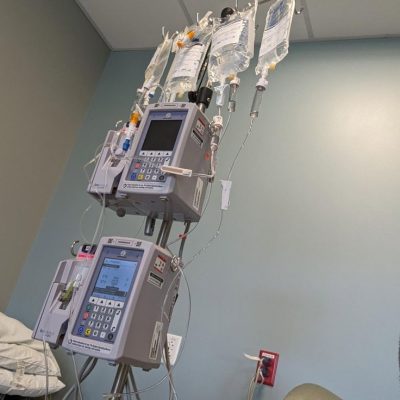
On treatment days, patients commonly check in, have blood work reviewed, receive pre-medications if needed, and then receive the chemotherapy itself. During an IV infusion, many people do not feel the drug going in, though they may feel sleepy from pre-meds or notice side effects later. Patients are generally told to alert staff right away if anything feels unusual during the infusion.
Common Regimens
Chemotherapy is not one single drug. There are many chemotherapy medicines, and the combination, dose, and schedule vary by cancer type and treatment goal. Some regimens involve one drug, while others combine multiple medicines over repeating cycles. This page should stay non-prescriptive, but it is useful to explain that “a chemotherapy regimen” means the specific drugs, doses, timing, and number of cycles in a treatment plan.
Chemotherapy Side Effects
Side effects from chemotherapy vary from person to person. They depend on the type of cancer, the drugs used, the dose, and the person’s overall health. Some people have many side effects, some have only a few, and some have less than they expected.
Why side effects happen
Chemotherapy can damage healthy fast-growing cells as well as cancer cells. That is why side effects often affect the blood, digestive tract, mouth, hair, skin, and energy levels. Many side effects improve after treatment ends, but some can last longer or appear later.
Common side effects
Common side effects can include:
fatigue – nausea and vomiting – hair loss.
mouth sores – diarrhea or constipation.
poor appetite or taste changes – low blood counts.
increased infection risk.
pain or numbness from nerve damage.
thinking and memory problems sometimes called “chemo brain”.
Side Effects and Coping Tips
When to Call Your Doctor
Patients should contact their treatment team right away if they develop signs of infection, uncontrolled vomiting, severe diarrhea, breathing problems, unusual bleeding, chest pain, or symptoms that feel suddenly worse or unsafe. During chemotherapy, fever can be especially important because low white blood cell counts can make infections more serious

Practical Ways to Prepare for Chemotherapy
Before starting treatment, patients may want to ask about expected side effects, fertility preservation, contraception, work planning, transport, and support at home. NHS guidance specifically notes that some chemotherapy medicines can affect fertility and can be harmful during pregnancy, so these topics should be discussed before treatment starts.
Preparation tips for patients
Keep a list of medicines and allergies – Arrange transport if treatment may leave you tired
Pack water, snacks, lip balm, and entertainment for infusion visits – Ask which symptoms are normal and which are urgent
Ask how to reach your team after hours – Clarify food, infection, and medication precautions
Prepare a symptom diary for side effects between visits
Questions to Ask Your Care Team
Why am I having chemotherapy?
What are the goals of this treatment?
How will it be given?
How often will I need treatment, and for how long?
What side effects are most likely with my regimen?
Which side effects need urgent medical attention?
What can I do to prepare before my first visit?
Will treatment affect fertility, pregnancy, or contraception?
Are there food, medicine, or infection precautions I should follow?
Who do I call after hours?
Resources and Support
Patients often do better when they have clear practical support. Helpful resources may include treatment education, symptom tracking tools, caregiver guidance, nutrition advice, transportation planning, and trusted cancer information from sources such as NCI, American Cancer Society, NHS, and MedlinePlus.
FAQ
What is chemotherapy?
Chemotherapy is a treatment that uses medicines to destroy cancer cells or stop them from growing. Different drugs work in different ways.
How does chemotherapy work?
Chemotherapy works by killing fast-growing cancer cells or stopping them from dividing. Because it can also affect some healthy fast-growing cells, side effects can happen too.
What are the most common chemotherapy side effects?
Common side effects include fatigue, nausea, vomiting, mouth sores, hair loss, appetite changes, bowel changes, low blood counts, and infection risk.
Is chemotherapy always given through an IV?
No. Many chemotherapy drugs are given through an IV, but some are given by injection, pill, capsule, or occasionally as a cream for certain skin conditions.
What should I do before my first chemotherapy treatment?
Patients usually need to review their treatment plan, have blood tests or other checks, ask about likely side effects, and discuss fertility, contraception, medicines, transport, and support at home before treatment begins.
Cancer treatments:
Medical Disclaimer & Source References
© BEIJING BIOTECH.
Clinical Sources: NCCN, ASCO, ACS, ESMO, CSCO, CACA, ChiCTR.
Treatment Note: Treatment plans vary by cancer type, stage, treatment goal, and patient health status.