
Targeted Therapy: Biomarkers, How It Works & Side Effects
Targeted therapy is a cancer treatment that attacks specific features of cancer cells, such as gene changes, proteins, or other molecules that help the cancer grow. Unlike chemotherapy, which broadly affects fast-growing cells, targeted therapy is designed to act on a more specific target. Whether it is an option often depends on biomarker testing.
What Targeted Therapy Is
Targeted therapy is a type of cancer treatment that focuses on particular changes in cancer cells that help them survive, grow, or spread. NCI explains that these treatments work differently from standard chemotherapy and are often used only when a tumor has the right target.
How Targeted Therapy Works
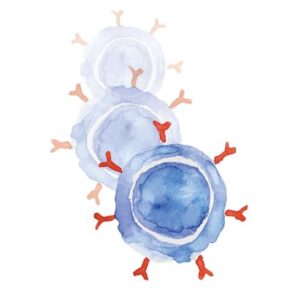
Different targeted therapies work in different ways. Some block growth signals, some stop tumors from making new blood vessels, and some deliver treatment more directly to cancer cells. The American Cancer Society notes that targeted drugs may work on proteins on the cell surface, enzymes inside the cell, blood vessel pathways, or other specific targets.
Why it is different from chemotherapy
Targeted therapy is more specific, but it is not side-effect free and it does not work for every cancer. ACS notes that targeted therapies are not available for all cancers, and even when a biomarker is found, the treatment may not work or may stop working over time.
Why Biomarkers Matter
Biomarker testing is one of the most important ideas on this page. NCI defines biomarker testing as looking for genes, proteins, and other substances that can help guide treatment choices. Each person’s cancer can have a different biomarker pattern, and some biomarkers affect whether targeted therapy may help.
What biomarker testing means
Important caution
Finding a biomarker does not guarantee that a targeted therapy will work, and not finding one does not mean there are no treatment options. ACS explains that even if a treatment matches a biomarker, it may still not help or may become less effective over time.

Who May Benefit From Targeted Therapy
Targeted therapy is used in many cancers, but not all cancers have approved targeted options. ACS notes that the biomarkers these drugs target can differ not only across cancer types, but also between different people with the same cancer.
Eligibility usually depends more on the tumor’s biology than on the cancer name alone. That is an inference supported by NCI and ACS biomarker guidance, which both center treatment choice on the presence of specific tumor markers or molecular targets.
Common Side Effects of Targeted Therapy
Side effects from targeted therapy vary by drug, dose, and the way each person’s body responds. Some are mild and manageable, while others need closer monitoring or changes to treatment. Reporting new symptoms early can help the care team manage side effects before they become more serious.
| Side Effect | What It May Look Like | Why It Matters |
|---|---|---|
| Skin rash or dry skin | Rash, acne-like bumps, redness, dryness, itching, peeling, or increased sensitivity. | Skin changes are common with many targeted therapies and should be reported early so they can be treated before they become more severe. |
| Nail and hair changes | Thinner or brittle hair, slower growth, hair loss, sore nails, fragile nails, ridges, discoloration, or nails lifting or breaking. | These changes are usually not dangerous, but they can be uncomfortable and may affect daily life if they worsen. |
| Diarrhea | Loose stools, more frequent bowel movements, dehydration, weakness, or difficulty eating and drinking normally. | Diarrhea can become serious if it is not managed early, especially if it is frequent, persistent, or getting worse. |
| Fatigue | Ongoing tiredness, low energy, reduced stamina, poor concentration, or difficulty with normal daily activities. | Fatigue can have more than one cause during treatment, so it is important to mention it if it becomes more intense or sudden. |
| Nausea | Upset stomach, reduced appetite, trouble eating, trouble drinking, or difficulty taking medicines. | Persistent nausea should be reported because the care team may be able to help with medicines, diet changes, or other support. |
| High blood pressure with some drugs | May not cause obvious symptoms at first and is often found through monitoring during treatment. | Some targeted therapies can raise blood pressure and may require treatment or changes to the cancer drug dose or schedule. |
| Bleeding or delayed wound healing with some drugs | Easier bleeding, slower healing after cuts, dental work, or surgery. | This can be especially important around surgery or procedures, and some treatments may need to be paused before and after an operation. |
| Abnormal liver tests with some drugs | Higher liver enzymes on blood tests, sometimes with nausea, tiredness, dark urine, or yellowing of the skin or eyes. | Liver problems may start before symptoms appear, so blood tests are often used to watch for issues early. |
Side effects are not identical across all targeted therapies. The exact pattern depends on the drug being used, so patients should always follow the advice of their treatment team and report new symptoms promptly.
Side effects depend on the exact drug, not just the category “targeted therapy.” That is directly supported by ACS guidance, which stresses that each targeted therapy has its own side-effect pattern.
How Targeted Therapy Is Given
Targeted therapy may be given as pills, capsules, IV infusions, or injections, depending on the drug. Some targeted medicines are taken daily at home, while others are given in a clinic. The exact treatment schedule depends on the medicine being used and the type of cancer being treated.
| Feature | Targeted Therapy | Chemotherapy |
|---|---|---|
| How it works | Works against a specific target in the cancer. | More broadly affects fast-growing cells. |
| Testing before treatment | Usually depends on biomarker testing to identify a target. | Does not usually depend on finding a specific tumor target first. |
| How it is given | May be given as pills, capsules, IV infusions, or injections. | Often given by IV infusion, injection, or sometimes by mouth, depending on the drug. |
| Where treatment happens | Some medicines are taken daily at home, while others are given in clinic. | Many chemotherapy treatments are given in clinic or hospital settings, although some are taken at home. |
| Side-effect pattern | Side effects vary by drug and target. | Often causes a different side-effect pattern, such as low blood counts, nausea, hair loss, or infection risk, depending on the regimen. |
Targeted therapy and chemotherapy are both important cancer treatments, but they work in different ways and may have different testing needs, treatment schedules, and side-effect patterns.
Biomarker Glossary
| Term | Meaning |
|---|---|
| Biomarker | A gene, protein, or other substance that provides information about a cancer and may help guide treatment. |
| Biomarker testing | A lab method using tissue, blood, or other body fluid to look for those markers. |
| Tumor marker | A broader term for something present in or produced in response to cancer that gives information about the disease or treatment response. |
| Targeted therapy | A treatment that acts on a specific target involved in cancer growth or survival. |
| Resistance | When a cancer changes and a treatment becomes less effective over time, even if the treatment initially matched the biomarker. |
Understanding these basic terms can make it easier to follow conversations about biomarker testing, targeted therapy, and treatment planning.
Questions to Ask Your Care Team
Has my cancer undergone biomarker testing?
Which biomarkers are you looking for?
Do I need a tissue biopsy, a blood test, or both?
If a target is identified, which targeted therapy is appropriate?
How does targeted therapy differ from chemotherapy in my case?
What side effects are most likely with this specific treatment?
How will you monitor whether the treatment is working?
What symptoms should prompt me to call immediately?
If no biomarker is found, what other treatment options are available?
FAQ
What is targeted therapy for cancer?
Targeted therapy is a cancer treatment that attacks specific genes, proteins, or other molecules that help cancer grow and survive.
How is targeted therapy different from chemotherapy?
Targeted therapy focuses on a specific target in the cancer, while chemotherapy more broadly affects fast-growing cells.
What is biomarker testing?
Biomarker testing looks for genes, proteins, and other substances that may help doctors choose a cancer treatment.
Does everyone with cancer qualify for targeted therapy?
No. Targeted therapies are not available for all cancers, and eligibility often depends on whether the tumor has the right biomarker.
What are common targeted therapy side effects?
Common side effects can include skin rash, dry skin, hair and nail changes, diarrhea, fatigue, nausea, and drug-specific problems such as high blood pressure or delayed wound healing.
Clinical Trials:
Medical Disclaimer & Source References
© BEIJING BIOTECH.
Clinical Sources: NCCN, ASCO, ACS, ESMO, CSCO, CACA, ChiCTR.
Treatment Note: Targeted therapy depends on biomarker testing and is not suitable for all cancers or all patients.