
Pancreatic Cancer: Symptoms, Staging & Treatment Options
Pancreatic cancer is often hard to detect early because it may not cause obvious symptoms at first. When symptoms do appear, common ones include jaundice, pain, and weight loss. Because the disease is frequently diagnosed after it has already grown or spread, patients and families often have urgent questions about staging, treatment choices, and whether a clinical trial should be considered early.
What Pancreatic Cancer Is
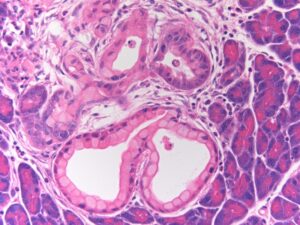
Pancreatic cancer begins in the tissues of the pancreas. NCI’s patient guidance notes that it can be difficult to diagnose early because there may be no noticeable signs or symptoms in the early stages, and the pancreas is located deep in the abdomen behind other organs.
Pancreatic Cancer Symptoms
Pancreatic cancer may cause no symptoms early on. As it grows, symptoms can include jaundice, dark urine, light-colored stools, abdominal or back pain, weight loss, appetite changes, and fatigue.
| Symptom | Overview |
|---|---|
Jaundice |
Yellowing of the skin or eyes may be one of the more noticeable warning signs. |
Dark urine |
Urine may become darker than usual, sometimes alongside jaundice. |
Light-colored stools |
Stools may appear pale or clay-colored in some cases. |
Pain in the upper or middle abdomen and back |
Pain may affect the abdomen, back, or both, and can become more noticeable over time. |
Weight loss |
Unexplained weight loss can happen as the disease progresses. |
Loss of appetite |
Some people notice reduced interest in eating or feeling less hungry than usual. |
Fatigue |
Ongoing tiredness or low energy may occur even without a clear reason. |
Nausea or vomiting |
Digestive symptoms such as nausea or vomiting may also happen. |
Changes in bowel habits |
Some people notice bowel pattern changes that feel unusual for them. |
Indigestion or bloating |
Persistent indigestion, discomfort, or bloating can sometimes be present. |
New or worsening diabetes |
Diabetes that is new or getting harder to control may be seen in some cases. |
Blood clots |
Blood clots can occur in some cases and may be part of the overall picture. |
Why Pancreatic Cancer Can Be Hard to Find Early
NCI explains that pancreatic cancer is difficult to detect and diagnose early because symptoms may be absent in early stages, the symptoms can resemble many other illnesses, and the pancreas is hidden behind other organs. That is one of the most important education points for this page because it helps explain why many patients are diagnosed later than they expected.
Diagnosis
If pancreatic cancer is suspected, doctors use tests that examine the pancreas to diagnose and stage the cancer. NCI’s patient page states that tests examining the pancreas are used to both diagnose and stage pancreatic cancer.
Staging
Staging describes how far the cancer has spread. For a patient page, the clearest explanation is simple:
Earlier stages: cancer is more limited to the pancreas or nearby area
Later stages: cancer has spread more widely, including to distant organs in metastatic disease
Treatment Overview
The main treatments for pancreatic cancer may include surgery, chemotherapy, radiation therapy, and supportive care, depending on the type, location, spread, and the person’s general health.
| Treatment | Overview | How it fits on the page |
|---|---|---|
Cancer Surgery |
Surgery may be part of treatment when the cancer appears removable and the patient is well enough for a major operation. | One of the key internal routes from this page. |
Chemotherapy |
Chemotherapy is a major treatment pathway and may be used before surgery, after surgery, or when the cancer cannot be removed surgically. | Should link strongly to your chemotherapy hub. |
Radiation Therapy |
Radiation therapy may be part of treatment in some cases, though it is not used in every pancreatic cancer plan. | It belongs on the overview page, but the main emphasis should stay on surgery, chemotherapy, and trials. |
Supportive Care |
Supportive care is also part of treatment planning, especially because symptoms such as pain, appetite loss, fatigue, and digestive issues can affect daily life significantly. | Important to include clearly as part of the overall treatment plan. |

Clinical Trial Pathways
This page brief is trial-forward, and the evidence supports that. NCI has a dedicated pancreatic cancer trial search page and currently lists many pancreatic cancer studies, with filters for age and location. That makes clinical trials a natural early-pathway CTA rather than something mentioned only at the bottom.
Best patient-facing framing
A strong message for this page is:
Clinical trials are worth asking about early, not only after standard options run out.
That is a fair inference from NCI’s dedicated trial-search guidance and the broad role of trials in pancreatic cancer care planning.
Metastatic Pancreatic Cancer
For patients with metastatic disease, treatment often focuses on controlling the cancer, managing symptoms, and maintaining quality of life. Chemotherapy, clinical trials, and supportive care become especially important discussion points. This is a high-value place to route users to your metastatic cancer and clinical trials pages.
Questions to Ask Your Care Team
What symptoms are most important in my case?
What tests are being used to diagnose and stage the cancer?
What stage is it, and what does that mean for treatment?
Is surgery possible for me?
Will chemotherapy be part of treatment?
Should I ask about clinical trials now?
What are the goals of treatment right now?
What symptoms should make me call urgently?
How do supportive care and symptom control fit into my plan?
FAQ
What are the early symptoms of pancreatic cancer?
Pancreatic cancer may not cause symptoms early. When symptoms appear, common ones include jaundice, abdominal or back pain, weight loss, appetite loss, and fatigue.
Why is pancreatic cancer often diagnosed late?
NCI explains that it can be hard to detect early because symptoms may be absent at first, the symptoms can look like other illnesses, and the pancreas is hidden deep in the abdomen behind other organs.
What are the main treatments for pancreatic cancer?
Main treatment categories may include surgery, chemotherapy, radiotherapy, and supportive care, depending on whether the cancer can be removed, whether it has spread, and the person’s overall health.
Can pancreatic cancer cause back pain?
Yes. Patient-facing guidance from NCI and ACS lists pain in the upper or middle abdomen and back as a possible symptom.
Are clinical trials important in pancreatic cancer?
Yes. NCI maintains a dedicated pancreatic cancer clinical trials search page, which reflects the importance of trial options in this disease
Learn more about cancer:
Medical Disclaimer & Source References
© BEIJING BIOTECH.
Clinical Sources: NCCN, ASCO, ACS, ESMO, CSCO, CACA, ChiCTR.
Medical Note: Treatment options depend on stage, resectability, overall health, and specialist review.