
Gene Therapy Eligibility for Sickle Cell Disease and Beta-Thalassemia
Gene therapy for sickle cell disease and transfusion-dependent beta-thalassemia can be life-changing for some patients, but eligibility is never based on one rule alone. Treatment centers usually review disease severity, age and label fit, organ function, conditioning readiness, fertility planning, and whether the patient can complete a long follow-up pathway at a specialized center. FDA-approved options now exist for both conditions, but referral still requires a full specialist workup.
Disease-Severity Criteria
The first question is whether the disease is severe enough to justify this kind of intensive treatment.
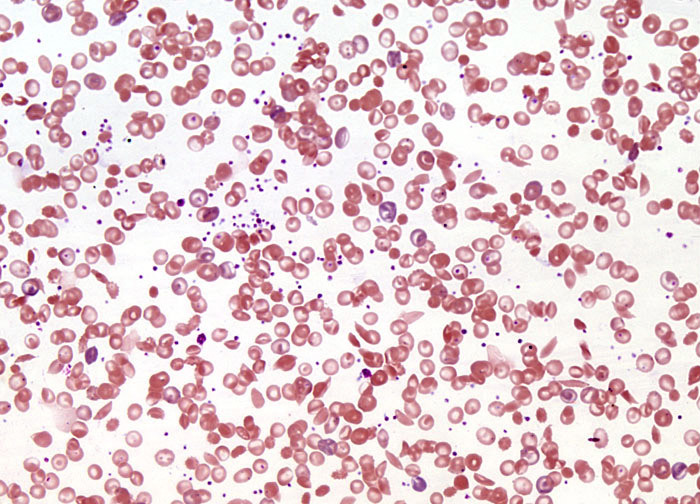
For sickle cell disease, current FDA-approved gene therapies are aimed at patients age 12 and older with significant vaso-occlusive disease. Casgevy is approved for patients 12 years and older with recurrent vaso-occlusive crises, while Lyfgenia is approved for patients 12 years and older with a history of vaso-occlusive events.
For beta-thalassemia, the key disease-severity issue is transfusion dependence. Casgevy is approved for patients age 12 and older with transfusion-dependent beta-thalassemia, and Zynteglo is approved for adult and pediatric patients with beta-thalassemia who require regular red blood cell transfusions.
Eligibility Checklist by Disease
Use this checklist to compare the main eligibility themes for current gene-therapy pathways in sickle cell disease and beta-thalassemia.
Sickle Cell Disease
- Recurrent vaso-occlusive crises or a strong history of vaso-occlusive events
- Age 12 or older for current FDA-approved products
- Disease burden serious enough to justify myeloablative conditioning
- Ability to complete long-term follow-up
Beta-Thalassemia
- Transfusion-dependent disease or regular red blood cell transfusion requirement
- Age 12 or older for Casgevy, or adult/pediatric fit for Zynteglo
- Disease burden and transfusion burden high enough to justify intensive therapy
- Ability to complete long-term follow-up
Age and Treatment-History Questions
Age matters because the FDA labels are not identical. Casgevy for sickle cell disease is approved for patients 12 years and older with recurrent vaso-occlusive crises, and Lyfgenia is approved for patients 12 years and older with a history of vaso-occlusive events. Casgevy for beta-thalassemia is also approved for patients 12 years and older, while Zynteglo covers adult and pediatric patients who require regular red blood cell transfusions.
Treatment history matters too. Referral teams usually want to know what disease-modifying therapy has already been tried, how often crises or transfusions still happen, and whether standard care is failing to control the disease burden enough. This is especially important when comparing gene therapy against transplant, hydroxyurea, transfusions, chelation, or supportive care.

Organ Function and Fertility Planning
Organ complications can absolutely affect eligibility. Centers usually review kidney, liver, heart, lung, and overall marrow reserve because gene therapy requires myeloablative conditioning, which can be hard on the body. This matters in both sickle cell disease and transfusion-dependent beta-thalassemia, where prior disease burden or chronic transfusion effects may already have caused organ damage.
Fertility planning is a major part of evaluation, not a side note. NHLBI states that infertility is a high-risk long-term side effect associated with current transplant and gene-therapy approaches for sickle cell disease, and the same conditioning-related concern applies to beta-thalassemia pathways that rely on myeloablative treatment.
Conditioning Readiness
Current FDA-approved gene-therapy pathways for these conditions require conditioning chemotherapy before the corrected cells are infused. That means a patient may meet the disease criteria on paper but still not be ready if infection is uncontrolled, organ function is unstable, or the person is not medically fit for hospitalization and marrow recovery. Casgevy prescribing information describes this as part of a full autologous stem-cell-based treatment process rather than a simple one-day therapy.
Risks and Limitations to Explain Clearly
Advanced cell and gene therapies may involve significant medical and practical burdens beyond the treatment itself. These include preparation, treatment delivery, and long-term follow-up requirements.
Myeloablative conditioning burden
Travel and limited access
Prolonged follow-up
Organ-function barriers
Infection risk & blood recovery delay
Fertility concerns

Psychosocial and Follow-Up Requirements
These therapies require more than medical eligibility. Patients usually need strong follow-up capacity, transportation, family or caregiver support, and the ability to stay engaged with a specialized center for months and then years. ClinicalTrials.gov long-term follow-up studies for gene therapy reflect how prolonged this monitoring can be, with studies following patients for years after treatment.
That practical burden can affect eligibility just as much as lab values do. A patient may be medically promising but still need better planning for travel, support, or follow-up before a center moves ahead. This is an inference based on the treatment structure and long-term follow-up requirements.
Record Checklist Before Referral
The fastest way to support a meaningful review is to upload the records a specialist team actually needs.
Confirmed diagnosis records
Recent disease summary
Crisis or transfusion history
Blood counts & chemistry
Organ function testing
Medication list
Hospital records
Prior major treatments
FAQ
Who qualifies for sickle cell gene therapy?
Patients may qualify if they are at least 12 years old, have severe enough sickle cell disease to match an approved product label, are medically fit for conditioning, and can complete long-term follow-up. Casgevy is approved for recurrent vaso-occlusive crises, while Lyfgenia is approved for a history of vaso-occlusive events.
Who qualifies for beta-thalassemia gene therapy?
Patients may qualify if they have transfusion-dependent beta-thalassemia or require regular red blood cell transfusions, are medically fit for conditioning and admission, and can complete long-term follow-up. Casgevy is approved for patients 12 and older with transfusion-dependent beta-thalassemia, while Zynteglo is approved for adult and pediatric patients who require regular transfusions
Can organ complications affect eligibility?
Yes. Organ complications can make conditioning less safe and may delay or prevent approval for treatment until a specialist team reviews the full situation. This is one of the main reasons referral centers do detailed pre-treatment workups.
How important is fertility planning?
It is very important. Current gene-therapy pathways use conditioning that can affect fertility, so fertility planning should happen before treatment decisions are finalized.
How long is follow-up?
Follow-up is prolonged and should be expected to last for years. ClinicalTrials.gov shows long-term gene-therapy follow-up studies in sickle cell disease extending well beyond the initial treatment period.
What records should I upload?
Start with diagnosis records, recent hematology notes, crisis or transfusion history, recent labs, organ-function information, medication history, and recent hospitalization records. These are usually the fastest way to support a specialist review.
Clinical Trials:
Medical Disclaimer & Source References
© BEIJING BIOTECH.
Clinical Sources: NCCN, ASCO, ACS, ESMO, CSCO, CACA, ChiCTR.
Eligibility Note: This page is a general guide only. Final eligibility depends on diagnosis, disease severity, organ evaluation, conditioning readiness, and physician review.