
Gene Therapy for Sickle Cell Disease
FDA-approved gene therapies available for eligible patients.
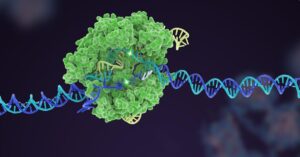
Gene therapy for sickle cell disease is designed to change a patient’s own blood-forming stem cells so the body can make healthier red blood cells and reduce sickling over time. In the United States, two FDA-approved gene therapies are available for selected patients with sickle cell disease: Casgevy and Lyfgenia. Both use a patient’s own stem cells, but they work in different ways and both require myeloablative conditioning before the modified cells are infused back.
These treatments are highly specialized and usually considered through centers with transplant and cellular-therapy experience. A referral decision depends on disease severity, organ function, age and label fit, readiness for conditioning, and willingness to complete long follow-up.
What Gene Therapy Aims to Change in SCD
In sickle cell disease, red blood cells become rigid and sickle-shaped because of abnormal hemoglobin. Gene therapy aims to change the stem cells in the bone marrow so future red blood cells are less likely to sickle. NHLBI explains that one approved approach changes existing DNA control pathways to increase fetal hemoglobin, while another adds a modified gene designed to help red blood cells function better.
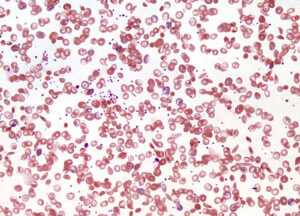
The goal is not short-term symptom control alone. The goal is to reduce or prevent vaso-occlusive crises and other downstream complications by changing how new blood cells are made. That is why gene therapy is very different from standard medicines such as hydroxyurea or chronic transfusion support.
Casgevy (exagamglogene autotemcel)
Approved for patients 12 years and older with sickle cell disease and recurrent vaso-occlusive crises.
Gene-edited autologous stem cell therapy.
The first FDA-approved therapy to use CRISPR/Cas9 technology.
Lyfgenia (lovotibeglogene autotemcel)
Approved for patients 12 years and older with sickle cell disease and a history of vaso-occlusive events.
Autologous stem cell-based gene therapy that adds a modified gene.
Patients should be monitored long term for hematologic malignancy risk.
Who May Qualify
Gene therapy is not for every person with sickle cell disease. Centers generally look at whether the patient has a history of severe disease, whether the person fits the approved product label, whether organ function is adequate for the process, and whether the patient is prepared for conditioning, hospitalization, and long follow-up.
Eligibility
Eligibility depends on disease severity, treatment-label fit, overall medical fitness, and whether the patient can safely complete the full treatment and follow-up process at a specialized center.

Conditioning, Admission, and Follow-Up
Before the modified stem cells are infused, patients receive myeloablative conditioning, commonly with busulfan-based chemotherapy, to make room in the bone marrow for the treated cells. FDA documents for Casgevy specifically describe full myeloablative conditioning with busulfan, and the process also includes stem-cell collection beforehand.
This means gene therapy is not just a single infusion visit. The full course usually includes evaluation, stem-cell collection, product manufacturing, hospital admission for conditioning, infusion of the gene-modified cells, blood-count recovery, infection monitoring, and long-term follow-up. Because recovery depends on marrow recovery and complications, the hospital course varies by patient and center rather than following one universal number of days
Benefits and Major Risks
The main hoped-for benefit is fewer vaso-occlusive crises and better disease control over time. NHLBI notes that people treated with gene therapy tend to have less anemia, fewer health problems related to sickle cell disease, and better health-related quality of life, although long-term outcomes are still being followed.

The risks are substantial. Both approved approaches require myeloablative conditioning, which brings major short-term risks such as severe low blood counts, infection risk, transfusion needs, and hospitalization. Product-specific safety matters too: Lyfgenia carries a boxed warning for hematologic malignancy, while both therapies require careful long-term monitoring after treatment.
Risks
Gene therapy for sickle cell disease involves intensive treatment and long-term monitoring. Patients should understand both treatment-related risks and product-specific safety warnings before treatment.
Questions to Ask Your Care Team
Do I meet the FDA label for Casgevy or Lyfgenia?
Is my disease severe enough that gene therapy makes sense to discuss now?
What does my organ function look like before conditioning?
What are the fertility risks, and should I discuss preservation first?
How long might I be in the hospital and away from normal routine?
What are the short-term and long-term risks with each product?
How is gene therapy different from allogeneic bone marrow transplant in my case?
What alternatives should I compare before deciding?
FAQ
Who qualifies for sickle cell gene therapy?
Patients may qualify if they fit the approved product label, have significant disease burden such as recurrent vaso-occlusive events, are medically fit enough for myeloablative conditioning, and are willing to complete admission and long-term follow-up at a specialized center. Current FDA-approved products are for patients 12 years and older.
What is the difference between Casgevy and Lyfgenia?
Casgevy uses gene editing to change the patient’s own stem cells, while Lyfgenia uses gene addition to introduce a modified gene. Both are autologous stem cell therapies for sickle cell disease, but Lyfgenia also carries a boxed warning for hematologic malignancy.
Does gene therapy replace bone marrow transplant?
Not always. Gene therapy is an important curative-intent option, but it does not automatically replace allogeneic bone marrow transplant for every patient. Transplant, gene therapy, medical management, and clinical trials can each fit different situations depending on donor availability, disease severity, organ health, and treatment goals.
What does conditioning involve?
Conditioning involves high-intensity chemotherapy used to prepare the bone marrow before the corrected cells are infused. FDA prescribing materials for Casgevy describe full myeloablative conditioning with busulfan. This step is a major part of the treatment risk and recovery process.
How long is the hospital course?
There is no single hospital length that fits everyone. The course depends on conditioning, infusion timing, marrow recovery, infection risk, and complications. The treatment path generally includes admission for conditioning and recovery rather than a simple outpatient infusion visit.
Can adults get gene therapy?
Yes. Both FDA-approved sickle cell gene therapies are approved for patients 12 years and older, so adults may qualify if they meet the medical and product-label requirements.
Clinical Trials:
Medical Disclaimer & Source References
© BEIJING BIOTECH.
Clinical Sources: NCCN, ASCO, ACS, ESMO, CSCO, CACA, ChiCTR.
Regulatory Status: FDA-approved gene therapies are identified where applicable. Other references may describe investigational approaches.
James Carter, melanoma
Beijing Biotech delivered outstanding support and clinical solutions that completely changed my treatment experience. Their expertise is unparalleled.
Zhang Wei, Leukemia
The personalized care provided by Beijing Biotech played a crucial role in my recovery, and I’m sincerely thankful for their dedication.
Michael Brown
Their innovative therapies gave me hope, and their team ensured I stayed well-informed and supported throughout my entire treatment process.