
Hormone Therapy: Uses in Breast/Prostate Cancer & Side Effects
Hormone therapy is a recognized cancer treatment type that slows or stops the growth of cancers that use hormones to grow. It is used most often in breast cancer and prostate cancer, but the reason it is used is different in each: in breast cancer, it usually targets estrogen and/or progesterone signaling; in prostate cancer, it usually lowers or blocks androgens such as testosterone.
What Hormone Therapy Is
NCI defines hormone therapy as treatment that adds, blocks, or removes hormones. In cancer care, it is used when hormones help a cancer grow, and the goal is to slow or stop that growth. It is also called endocrine therapy or hormonal therapy.
Why Hormones Matter
Some cancer cells have receptors or biological pathways that respond to hormones and use them as growth signals. In breast cancer, the key question is often whether the tumor is hormone receptor-positive. In prostate cancer, the key issue is whether the cancer is still driven by androgens.
What “hormone-positive” means
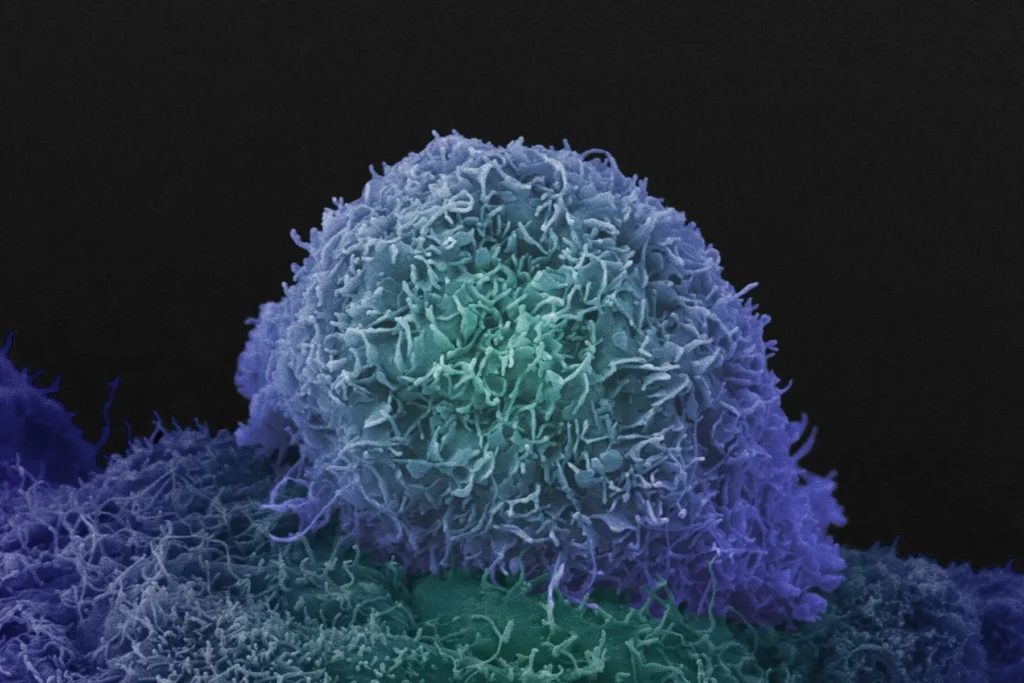
In breast cancer, “hormone-positive” usually means the cancer cells contain estrogen receptors (ER) and/or progesterone receptors (PR). NCI says these hormone receptor-positive breast cancers are often treated with hormone therapy because the treatment can block hormone effects or lower hormone levels.
How Hormone Therapy Works
Hormone therapy can work by lowering hormone levels in the body or by blocking hormones from helping cancer cells grow. In breast cancer, this often means lowering estrogen levels or stopping estrogen from activating the cancer cells. In prostate cancer, it often means lowering androgens or blocking androgen signaling.
A strong public-facing comparison is: hormone therapy is not the same as chemotherapy. Chemotherapy broadly attacks fast-growing cells, while hormone therapy works only in cancers that depend on certain hormones.
| Comparison Point | Hormone Therapy for Breast Cancer | Hormone Therapy for Prostate Cancer |
|---|---|---|
| Who it is used for | Used for breast cancers whose cells contain hormone receptors, especially HR-positive breast cancer. | Used for prostate cancer by lowering androgen levels or blocking androgen action. |
| Main goal | Helps reduce the risk of recurrence after surgery and may also help control more advanced disease. | Helps slow or control prostate cancer growth by reducing the effect of male hormones. |
| How it works | Blocks hormones or lowers their effect on hormone receptor-positive breast cancer cells. | Decreases androgen levels or blocks androgen activity. This is often called androgen deprivation therapy (ADT). |
| When it may be used | Often used after surgery and also in advanced or metastatic breast cancer settings. | Often used in several prostate cancer settings, including with radiation in some patients and in advanced disease. |
| Common term | Usually called hormone therapy for HR-positive breast cancer. | Often called androgen deprivation therapy (ADT). |
Breast cancer side-effect framing
Because breast cancer hormone therapy works by lowering estrogen or blocking its effects, common side effects can overlap with menopause-like symptoms. Depending on the drug, side effects may include hot flashes, joint or muscle pain, vaginal symptoms, mood changes, tiredness, and bone thinning risk.
What androgen deprivation therapy means
A simple explanation is: ADT works by reducing the testosterone signal that many prostate cancers rely on. NCI notes that early prostate cancers are often androgen-dependent or hormone-sensitive, which is why lowering or blocking androgen action can inhibit growth.
Common Side Effects
Hormone therapy side effects vary by cancer type, the exact drug, and how long treatment continues. ACS notes that common hormone therapy side effects can include hot flashes or night sweats, decreased sexual desire, fatigue, mood changes, bone loss, and memory or concentration problems, with some side effects more common in prostate-related hormone therapy.
Side Effect Library
Understanding the potential side effects of your treatment is a crucial part of your healthcare journey. Click on any of the side effects below to learn more about why it happens, how to manage it, and when to talk to your care team.
Hot Flashes / Night Sweats
A sudden feeling of intense heat, often in the face, neck, and chest, which can cause flushing, sweating, and a rapid heartbeat. When they occur at night, they are called night sweats and can severely disrupt sleep. These are often triggered by hormonal changes from therapies that lower estrogen (in breast cancer) or testosterone (in prostate cancer).
What is the difference between small cell and non-small cell lung cancer?
This term covers a range of issues affecting intimacy and sexual health. In women, this can include decreased libido (sex drive), painful intercourse, or difficulty reaching orgasm. In men, it frequently involves erectile dysfunction (ED) or loss of desire. These are common physical and emotional side effects of hormone therapy, surgery, or radiation.
Sexual Side Effects
Yes. Immunotherapy is used for many cases of advanced NSCLC and in some SCLC treatment settings, depending on stage and clinical details.
Mood Changes
Fluctuations in your emotional state, which can range from mild irritability and sadness to more significant anxiety or depression. Hormone therapies can directly impact brain chemistry, and a cancer diagnosis itself is a major life stressor, both contributing to these feelings.
Fatigue
An overwhelming, persistent sense of exhaustion and lack of energy that doesn’t get better with rest. It’s different from ordinary tiredness. This is one of the most common side effects of cancer treatment, including hormone therapy, and can be caused by the treatment itself, anemia, sleep disturbance, or emotional stress.
Joint or Muscle Pain
Aches, stiffness, and discomfort in the joints (like knees, hands, or hips) or muscles throughout the body. This can be similar to the feeling of having arthritis and can range from mild to severe, impacting daily activities. It is a very common side effect of aromatase inhibitors (for breast cancer) and other hormonal therapies.
Bone Loss / Fracture Risk
A weakening of the bones, making them less dense and more prone to breaking (fracture). Hormones like estrogen and testosterone play a key role in maintaining bone strength. Therapies that lower these hormones can accelerate bone loss, leading to osteopenia or osteoporosis over time.
Weight Gain / Muscle Loss
Changes in body composition, which can include an increase in body fat (especially around the abdomen) and a decrease in muscle mass. This can happen due to hormonal shifts, changes in metabolism, fatigue leading to less activity, and sometimes increased appetite.
Vaginal Symptoms in Breast Cancer Therapy
A group of side effects specifically affecting the vaginal area due to low estrogen levels. Symptoms can include vaginal dryness, itching, burning, and a condition called vaginal atrophy (thinning of the tissues), which can make sexual intercourse painful and increase the risk of urinary tract infections.
Heart and Metabolic Risks in Prostate Hormone Therapy
Certain treatments for prostate cancer, specifically Androgen Deprivation Therapy (ADT), can increase the risk of heart and metabolic problems. This may include changes in cholesterol levels, increased blood sugar (insulin resistance), and a higher risk of developing or worsening heart disease. Regular monitoring of heart health is important during this therapy.
Monitoring and Long-Term Care
Because hormone therapy can last months or years, follow-up matters. NCI and NHS resources make clear that long-term monitoring may include checking symptoms, treatment response, and side effects such as bone loss or broader health effects, especially during ADT.
Clinical Trials
Hormone therapy is also part of ongoing cancer research, especially in breast and prostate cancer. NCI’s treatment and trial resources include hormone-therapy-based studies in breast cancer and prostate cancer settings.
Questions to Ask Your Care Team
Why is hormone therapy being recommended for me?
Is my cancer hormone-sensitive or hormone-positive?
In breast cancer, is my tumor ER-positive or PR-positive?
In prostate cancer, is this androgen deprivation therapy?
How long will I need this treatment?
What side effects are most likely with this specific drug?
What symptoms should I report early?
How will bone health, sexual side effects, or mood changes be monitored?
Would a clinical trial ever be relevant in my case?
FAQ
What is hormone therapy for cancer?
Hormone therapy is a cancer treatment that adds, blocks, or removes hormones. In cancer care, it is used to slow or stop cancers that use hormones to grow.
What does hormone-positive mean in breast cancer?
It usually means the breast cancer cells have estrogen receptors and/or progesterone receptors, so the tumor may respond to hormone-blocking treatment.
What is androgen deprivation therapy? Androgen deprivation therapy, or ADT, is hormone therapy for prostate cancer that lowers androgen levels or blocks their effects on cancer cells.
Androgen deprivation therapy, or ADT, is hormone therapy for prostate cancer that lowers androgen levels or blocks their effects on cancer cells.
What are common hormone therapy side effects?
Common side effects can include hot flashes, fatigue, mood changes, sexual side effects, bone loss, and other effects that vary by the exact treatment and cancer type.
Is hormone therapy used only for breast and prostate cancer?
Those are the main cancers most commonly treated this way, and NCI’s overview specifically highlights breast and prostate cancers as the key examples.
Cancer treatments:
Medical Disclaimer & Source References
© BEIJING BIOTECH.
Clinical Sources: NCCN, ASCO, ACS, ESMO, CSCO, CACA, ChiCTR.
Treatment Note: Hormone therapy use varies by cancer type, hormone sensitivity, stage, and treatment goal.