
Metastatic (Stage 4) Cancer: What It Means, Treatment Goals & Support
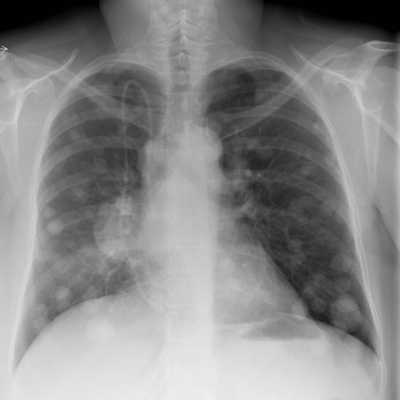
Metastatic cancer means cancer that started in one part of the body and spread to another part. It is also often called stage 4 cancer, advanced cancer, or secondary cancer, depending on the cancer type and context. A key point for patients is that the metastatic tumor is still named for the original cancer, not the place it spread to. For example, breast cancer that spreads to the bone is still metastatic breast cancer, not bone cancer.
What Metastatic Cancer Means
Metastatic cancer happens when cancer cells break away from the original tumor, travel through the body, and form tumors in other places. The most important patient-facing explanation is simple: the cancer keeps the identity of where it started. That matters because treatment is chosen based on the original cancer type, not just the organ where it spread.
Stage 4 vs metastatic
Many people use stage 4 and metastatic interchangeably, but exact staging can vary by cancer type. On a public page, it is reasonable to explain that metastatic disease is often described as stage 4, while also noting that staging systems are not identical across all cancers. This is an inference from how cancer-specific stage pages describe metastatic disease.
What Treatment Goals Usually Are
Treatment goals for metastatic cancer are often different from treatment goals for earlier-stage cancer. For many people, treatment focuses on:
slowing the cancer down
shrinking or controlling tumors
relieving symptoms
helping people live longer
protecting quality of life
Treatment may still be active and meaningful, even when the goal is control rather than cure. Some advanced cancers can be controlled for long periods of time, and some people live with them more like a chronic illness.

Decision framing
NCI’s advanced cancer guidance explains that care goals can change over time. Some people want more aggressive treatment, while others may focus more on symptom relief, day-to-day functioning, or time at home. The right choice depends on the cancer, the available treatments, and the person’s values.
Common Treatment Approaches
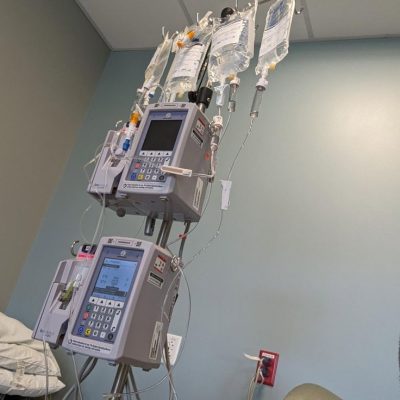
Treatment for metastatic cancer often includes systemic therapy, meaning treatment that travels through the body. NCI notes that most people with metastatic cancer are treated with systemic treatment because cancer cells may be present in multiple places. Depending on the cancer type, treatment may include chemotherapy, immunotherapy, hormone therapy, targeted therapy, radiation therapy, surgery in selected situations, and supportive care.
Why treatment may differ from earlier stages
The same treatments used in earlier-stage cancer may still be used in metastatic cancer, but the goals and combinations may change. NCI’s metastatic breast cancer page explains that treatment focuses on slowing spread and controlling symptoms, and that treatment choices partly depend on prior treatment response and patient goals. That framing works well for this broader overview page too.
Support Guide
Interactive Care & Quality of Life Flow
- Symptom support — pain, fatigue, nausea
- Emotional support — anxiety, stress
- Caregiver coordination
- Financial & practical help
- Chronic condition support
- Goals of care planning
Caregiver Module
Caregivers often need their own guidance. A caregiver section should cover:
keeping track of symptoms and medicines
helping with appointments and questions
noticing changes in pain, breathing, appetite, or energy
knowing who to call after hours
getting emotional and practical support for themselves too
Good caregiver wording
Caregivers are part of the care team, but they need support too. NCI and ACS both highlight caregiver needs as part of living with advanced or metastatic cancer.
Common Treatment Approaches
Treatment for metastatic cancer often includes systemic therapy, meaning treatment that travels through the body. NCI notes that most people with metastatic cancer are treated with systemic treatment because cancer cells may be present in multiple places. Depending on the cancer type, treatment may include chemotherapy, immunotherapy, hormone therapy, targeted therapy, radiation therapy, surgery in selected situations, and supportive care.
Why treatment may differ from earlier stages
The same treatments used in earlier-stage cancer may still be used in metastatic cancer, but the goals and combinations may change. NCI’s metastatic breast cancer page explains that treatment focuses on slowing spread and controlling symptoms, and that treatment choices partly depend on prior treatment response and patient goals. That framing works well for this broader overview page to
Clinical Trials
Clinical trials are worth asking about in metastatic cancer because treatment goals often include controlling disease over time, improving symptoms, and exploring newer options. NCI maintains cancer clinical trial resources, and metastatic disease is a common setting where trials may be relevant.
Clinical trials are not only for last-resort situations. Depending on the cancer type, a trial may be relevant early in metastatic treatment planning or later after other therapies. This is a careful inference from NCI’s broader trial and metastatic cancer resources.
Questions to Ask Your Care Team
What does metastatic mean in my specific cancer?
Is this considered stage 4?
What are the goals of treatment right now?
Are we aiming to shrink the cancer, control it, relieve symptoms, or all three?
What treatments are available for my cancer type?
How will we know whether treatment is working?
What symptoms should I report right away?
Should I meet with palliative care now?
Are there clinical trials I should ask about?
What support is available for my caregiver and family?
FAQ
What does metastatic cancer mean?
Metastatic cancer eans cancer that started in one part of the body and spread to another part. The metastatic tumor is still named after the original cancer.
Is metastatic cancer the same as stage 4 cancer?
Often yes in general conversation, but exact staging depends on the cancer type. Many metastatic cancers are described as stage 4.
Can metastatic cancer still be treated?
Yes. Treatment often focuses on slowing the cancer, controlling symptoms, and improving or maintaining quality of life. Some advanced cancers can be controlled for long periods.
What are the goals of stage 4 cancer treatment?
Common goals include controlling cancer growth, shrinking tumors, relieving symptoms, helping people live longer, and protecting quality of life.
Is palliative care only for end of life?
No. Palliative care can be given alongside cancer treatment and focuses on improving quality of life and symptom control.
Should people with metastatic cancer ask about clinical trials?
Yes. Clinical trials may be relevant early or later in treatment planning, depending on the cancer type and available options.
Learn more about cancer:
Medical Disclaimer & Source References
© BEIJING BIOTECH.
Clinical Sources: NCCN, ASCO, ACS, ESMO, CSCO, CACA, ChiCTR.
Medical Note: Treatment goals, symptom support, and trial options vary widely by cancer type and clinical situation.