
Non-Hodgkin Lymphoma: Types, Symptoms & Treatment Options
Non-Hodgkin lymphoma (NHL) is not one single disease. It is a group of lymphoid cancers that can behave very differently, from slow-growing forms that may be monitored for a time to aggressive forms that need prompt treatment. A patient-friendly page works best when it explains three ideas clearly: type, pace, and treatment pathway.
What Non-Hodgkin Lymphoma Is
Non-Hodgkin lymphoma starts in lymphocytes, a type of white blood cell that is part of the immune system. Major patient resources explain NHL as a broad category that includes many subtypes, most commonly B-cell lymphomas and less commonly T-cell lymphomas.
Subtype Guide
Common Non-Hodgkin Lymphoma Subtypes
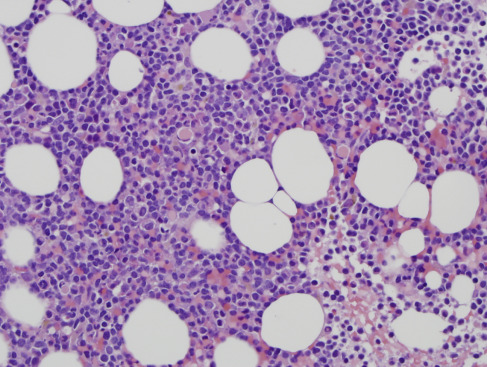
Many non-Hodgkin lymphomas are B-cell lymphomas. The exact subtype helps doctors choose the most appropriate treatment approach.
Symptoms Guide
Non-Hodgkin Lymphoma

Diagnosis
Diagnosis usually involves an exam, imaging, blood tests, and most importantly a biopsy so the lymphoma can be classified correctly. For patient education, the crucial point is that treatment should be based on the exact lymphoma type, not symptoms alone.
Why subtype matters
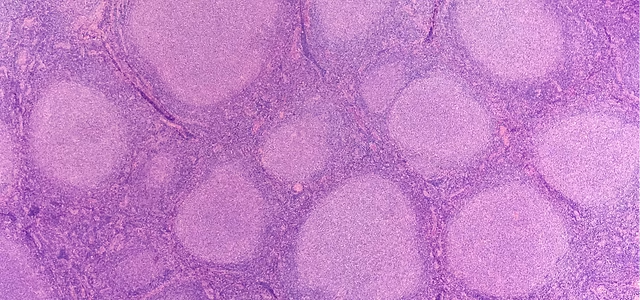
A user-friendly explanation is: “non-Hodgkin lymphoma” is the family name; the subtype is what guides treatment.That is why DLBCL, follicular lymphoma, mantle cell lymphoma, and T-cell lymphomas are often discussed separately in patient resources and guidelines.
Treatment Guide
Non-Hodgkin Lymphoma Treatment Pathway
Important: Treatment depends on lymphoma subtype and disease behavior.
Treatment Pathway Graphic
A simple on-page graphic could follow this flow:
Symptoms or abnormal imaging → biopsy and subtype diagnosis → staging and pace assessment → first-line treatment or surveillance → reassessment → relapsed/refractory pathway → trial evaluation / CAR-T / other later-line options
Diagnosis
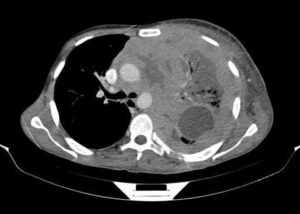
If lung cancer is suspected, diagnosis usually starts with a medical history, physical exam, and imaging. Tests can include chest X-ray, CT scan, PET scan, bronchoscopy, sputum testing in some cases, and biopsy. A biopsy is important because treatment should be based on confirmed pathology, not imaging alone.
Doctors may also evaluate lung function and overall health before treatment planning. For many patients with NSCLC, molecular or biomarker testing is part of the workup because it can help guide targeted therapy or immunotherapy decisions.

Clinical Trials
Clinical trials fit naturally into NHL care because treatment pathways vary so much by subtype and relapse status. Trial entry is especially relevant when disease is relapsed/refractory, when CAR-T or other newer immune-based treatments are being considered, or when standard options are limited.
Questions to Ask Your Care Team
What exact type of non-Hodgkin lymphoma do I have?
Is it indolent or aggressive?
Is DLBCL or another subtype part of my diagnosis?
What treatment do you recommend first, and why?
Would chemotherapy, immunotherapy, or radiation be part of my plan?
If the lymphoma comes back, would CAR-T be something to ask about?Am I eligible for a clinical trial now?
What symptoms should make me call urgently?
FAQ
What are the common symptoms of non-Hodgkin lymphoma?
Common symptoms include painless swollen lymph nodes, fever, chills, weight loss, fatigue, abdominal swelling, feeling full quickly, chest pressure, shortness of breath, infections, and easy bruising or bleeding.
What is DLBCL?
DLBCL stands for diffuse large B-cell lymphoma. It is an aggressive, fast-growing type of NHL and the most common NHL subtype in the United States.
Does every non-Hodgkin lymphoma patient get treated right away?
No. Some indolent lymphomas may be monitored for a time, while aggressive lymphomas often need treatment sooner.
Is CAR-T used for non-Hodgkin lymphoma?
Yes, but only for some patients. CAR-T is used for certain relapsed or refractory lymphomas, especially some B-cell lymphomas, rather than as routine first treatment for most patients.
Does CAR-T work for lymphoma?
Evidence summaries support meaningful activity in certain relapsed/refractory B-cell lymphomas, including large B-cell lymphoma, but it is intensive therapy with important risks and not every patient benefits.
Learn more about cancer:
Medical Disclaimer & Source References
© BEIJING BIOTECH.
Clinical Sources: NCCN, ASCO, ACS, ESMO, CSCO, CACA, ChiCTR.
Medical Note: Lymphoma includes many subtypes, and treatment planning depends on subtype, stage, symptoms, and overall health.